Diabetes is too serious for marketing. It needs integrated medicine.
Authentic Ayurvedic treatment for diabetes in Dubai works alongside your endocrinologist — not instead of them. At our Jumeirah Village Circle (JVC) clinic, structured Ayurvedic programmes address insulin resistance, lipid patterns, inflammation, and stress and sleep patterns that conventional 15-minute appointments cannot. Realistic outcomes: HbA1c reductions of 1-3 points for many patients over 6 months, often with medication adjustment under endocrinologist supervision.
WE DO NOT ASK YOU TO STOP YOUR MEDICATION.
Medication adjustments are made by your endocrinologist based on bloodwork improvements. We support those improvements through Ayurvedic treatment.
THE QUICK ANSWER
Ayurvedic diabetes treatment in Dubai, in one paragraph.
Ayurvedic treatment for diabetes in Dubai is a 6-month structured medical programme combining classical Panchakarma cleansing (typically Virechana), dosha-specific herbal medicines (including Guduchi, Methika, Karela, Vijaysar, and pattern-specific Asanadi formulations), individualised dietary protocols, and lifestyle modification — performed alongside your endocrinologist's conventional management. At Vedara Care Polyclinic in Jumeirah Village Circle (JVC), Dubai — next to Circle Mall — programmes for prediabetes typically produce normalisation of HbA1c within 6 months; programmes for early type 2 diabetes typically produce HbA1c reductions of 1-3 points with possible medication reduction under endocrinologist supervision; for long-standing type 2 diabetes, Ayurvedic treatment is supportive and addresses metabolic, inflammatory, and lifestyle factors not addressed by medication alone. Initial consultations start from AED 450.
Medically reviewed by Dr. Priya Sharma, BAMS, MD (Ayurveda), DHA-Licensed 2509266· Last updated May 2026
What Ayurveda can offer depends on what stage of diabetes you have.
The single biggest mistake in alternative medicine for diabetes is treating all stages identically. At our JVC clinic, your treatment plan is calibrated to where you actually are on the disease spectrum.
Prediabetes
The reversible stage. Insulin resistance is present, glucose handling is compromised, but the pancreas is still keeping up. The conventional system often offers 'lifestyle changes' without specific guidance. Ayurvedic treatment at our JVC clinic produces some of the strongest outcomes here — most prediabetic patients can normalise HbA1c within 6 months of structured treatment.
Newly Diagnosed Type 2 Diabetes
The 'honeymoon' phase where pancreatic function is largely preserved and aggressive intervention can produce dramatic results. Patients are often on metformin (sometimes alone). Ayurvedic treatment combined with conventional care frequently produces HbA1c reductions of 1.5-3 points within 6 months — sometimes allowing medication reduction under endocrinologist supervision.
Established Type 2 Diabetes
The disease has been present long enough that pancreatic beta-cell function is partially compromised. Multiple medications are often required. Ayurvedic treatment is supportive — addressing inflammation, complications, lifestyle factors, and quality of life. HbA1c reductions are typically 0.5-1.5 points and require sustained programmes alongside continued conventional management.
Type 1 Diabetes
The honest position: Type 1 diabetes is a permanent autoimmune condition requiring lifelong insulin. Ayurvedic treatment cannot reverse it, cannot replace insulin, and any clinic suggesting otherwise is dangerous. We offer adjunctive Ayurvedic care for inflammation management, complications prevention, lifestyle support, and general wellbeing — alongside your insulin regimen and endocrinologist's care.
Gestational Diabetes
Requires specialised obstetric and endocrinology coordination. Ayurvedic dietary and lifestyle support can be valuable during pregnancy under careful coordination, but Panchakarma and aggressive herbal protocols are not performed during pregnancy. Postpartum, structured Ayurvedic treatment to reduce future type 2 diabetes risk is one of the most clinically valuable programmes we offer.
At consultation, your specific stage, current bloodwork, medication regimen, and complications are assessed. The treatment plan is honest about what is realistic for your stage — not aspirational for the marketing department.
What Ayurvedic treatment is — and is not — in diabetes care.
Ayurvedic treatment for diabetes is integrative, not alternative. At our JVC clinic, we work alongside endocrinologists — not in competition with them. The patients with the best outcomes have an endocrinologist managing their medications and conventional monitoring, an Ayurvedic physician addressing root metabolic patterns, and the two teams communicating regularly.
What conventional endocrinology does well: precise blood sugar management through medication, monitoring HbA1c and complications, managing acute hyperglycaemic and hypoglycaemic events, coordinating ophthalmology and nephrology when complications develop. What 15-minute endocrinology appointments cannot do: address the insulin-resistance root patterns, prescribe individualised dietary regulation calibrated to your dosha and lifestyle, perform Panchakarma cleansing protocols, address inflammation systemically, and modify the lifestyle factors that perpetuate diabetes.
What we will never do at our JVC clinic: ask you to stop your prescribed diabetes medication without your endocrinologist's input; claim Ayurveda can "cure" diabetes; promise specific HbA1c reductions; replace insulin in any patient who requires it; treat diabetic emergencies.
What we will do: provide a structured 6-month programme that addresses what conventional care cannot, coordinate with your endocrinologist throughout, and produce sustained metabolic improvements that may — under your endocrinologist's supervision — allow medication adjustment.
"The clinic that promises to cure your diabetes is the clinic that will harm your diabetes. Run from it."
Ayurvedic diabetes treatment has four pillars.
Panchakarma Cleansing
Pattern-Specific Herbal Medicines
Individualised Dietary Regulation
Lifestyle, Sleep & Movement Protocols
What six months of Ayurvedic diabetes treatment at our JVC clinic looks like.
A representative protocol for early-to-established type 2 diabetes. Prediabetes protocols are similar but often shorter. Type 1 diabetes follows adjunctive-only protocols. Your specific plan is calibrated at consultation.
Assessment & Foundation
- •60-75 minute consultation with BAMS-qualified physician at our JVC clinic
- •Comprehensive review of current diagnoses, all medications
- •Most recent HbA1c, fasting and postprandial glucose, lipid panel, kidney function reviewed
- •Communication with your endocrinologist to coordinate care
- •Pulse diagnosis, dosha assessment, stage classification
- •Initial herbal medicine protocol begins
- •Dietary plan introduced gradually
- •Home glucose monitoring protocol established
Expected by end of Month 1: Clear stage classification, baseline established, treatment plan signed off, initial small glucose improvements often visible
Panchakarma & Active Treatment
- •7-14 day Panchakarma programme (typically Virechana-led)
- •5-7 day at-clinic preparation with Snehapana, Abhyanga, Swedana
- •Glucose monitoring intensified during Panchakarma
- •7 days Paschatkarma recovery with structured dietary protocol
- •Resumed internal medicines post-Panchakarma with adjusted dosing
- •Updated bloodwork at end of month
Expected by end of Month 2: Substantial improvements in fasting glucose and postprandial response, often 0.3-0.8 HbA1c reduction visible, energy and sleep improvements
Active Treatment Continues
- •Mid-programme doctor review with bloodwork analysis
- •Refined herbal protocol based on response
- •Continued dietary and lifestyle refinement
- •Coordination with endocrinologist on potential medication adjustments
- •Movement protocol fully implemented
- •Stress and sleep optimisation deepened
Expected by end of Month 3: HbA1c reduction of 0.8-1.5 points cumulative for most early type 2 patients, prediabetes patients often approaching normalisation
Consolidation
- •Continued herbal medicines with stage-appropriate dose adjustments
- •Dietary protocol becoming sustainable lifestyle
- •Possible second short Panchakarma (5-7 days) for selected patients
- •Reduced clinic visits (every 2 weeks)
- •Lab work review at end of month
Expected by end of Month 4: HbA1c reduction of 1.5-2.5 points cumulative for most early type 2 patients, medication reductions possible under endocrinologist supervision
Refinement
- •Maintenance dose of herbal medicines
- •Reduced visits (every 2-3 weeks)
- •Long-term plan discussion with endocrinologist
- •Continued bloodwork monitoring
Expected by end of Month 5: HbA1c stabilising at improved level, behaviour and lifestyle patterns consolidated
Discharge & Long-Term Plan
- •Final assessment with comprehensive bloodwork review
- •Transition to maintenance protocol
- •6-month home herbal course
- •Long-term dietary and lifestyle plan documented
- •Formal communication with your endocrinologist
- •3-month, 6-month, and 12-month follow-up appointments
Expected by end of Month 6: HbA1c reduction of 1-3 points for early type 2 patients, full normalisation for many prediabetes patients, sustained dietary and lifestyle changes
This is a representative protocol. Outcomes vary based on stage, duration, complications, medication regimen, and adherence to all four pillars. Your specific timeline and expectations are documented and reviewed monthly.
For diabetes complications, Ayurvedic adjunctive care is often most valuable.
While Ayurvedic treatment for primary diabetes management is most powerful in prediabetes and early type 2, the value shifts as the disease progresses. For long-standing diabetes, the largest clinical gains often come from addressing complications and preventing their progression.
Diabetic Neuropathy
Peripheral neuropathy is one of the most distressing diabetic complications and one where Ayurveda has its strongest adjunctive role. Specific protocols including Padabhyanga (medicated foot massage), Snehapana, internal medicines including Brahmi and Ashwagandha-based formulations, and Vata-pacification often reduce burning, tingling, and pain meaningfully. Best results combine Ayurvedic treatment with conventional neuropathy medications.
Diabetic Nephropathy (Early Stage)
For early-stage diabetic kidney disease (microalbuminuria, mildly elevated creatinine), Ayurvedic adjunctive care alongside nephrology can slow progression. Specific formulations including Punarnava and Gokshura-based protocols, dietary modifications, and lifestyle protocols. Always coordinated with your nephrologist — never as a replacement for blood pressure control and ACE inhibitor therapy.
Diabetic Foot Care
Preventive foot care is one of Ayurveda's most clinically valuable diabetes services. Weekly Padabhyanga, daily foot examination protocols, dietary support for circulation, and specific medications for vascular health. Particularly important for long-standing diabetic patients in Dubai's hot climate where foot issues escalate quickly.
Ozempic, Mounjaro, and Ayurvedic diabetes treatment.
If You Are on GLP-1 Medication for Diabetes
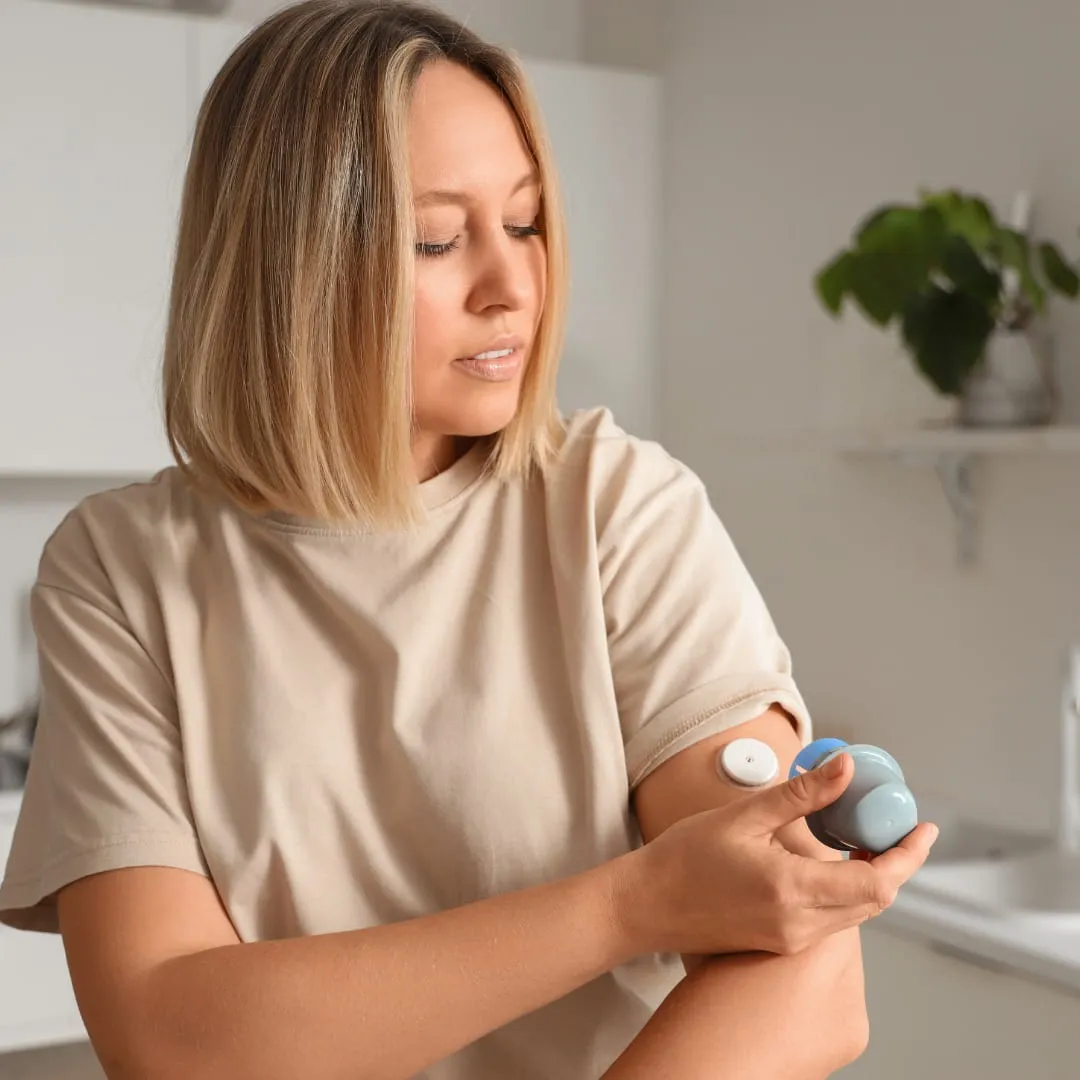
Many of our diabetes patients are on semaglutide (Ozempic), tirzepatide (Mounjaro), or related GLP-1 medications. These are powerful tools for glucose control and weight loss. Ayurvedic treatment alongside is compatible and often complementary — addressing dietary habits, lifestyle factors, and metabolic root patterns that will determine outcomes when or if the medication is eventually reduced. We coordinate with your prescribing endocrinologist throughout.
Reducing GLP-1 Dose with Bloodwork-Documented Improvements
For some patients whose HbA1c, fasting glucose, and weight improve substantially through Ayurvedic treatment, endocrinologists may consider reducing GLP-1 dose or transitioning to less aggressive regimens. This is always your endocrinologist's decision based on bloodwork, never ours. We provide the documented metabolic improvements that support such conversations.
Post-GLP-1 Diabetes Management
When patients discontinue GLP-1 medications — due to cost, side effects, or supply issues — diabetes management often becomes harder than before, with rebound weight gain and glucose dysregulation. Patients who established structured Ayurvedic treatment alongside their GLP-1 use generally maintain better metabolic control after stopping. This is one of the most clinically valuable applications of our 6-month programme.
We are neither anti-medication nor pro-medication. We are honest about what each tool does and does not do — and we coordinate care across your treatment team.
When we refer you elsewhere first.
Ayurvedic diabetes treatment is powerful in specific contexts. It is dangerous in others.
Urgent conventional care required:
- Symptoms of diabetic ketoacidosis (DKA): nausea, vomiting, fruity breath, rapid breathing, confusion
- HbA1c above 10% (urgent endocrinology evaluation needed)
- Severe hypoglycaemia episodes (medication review urgent)
- New visual symptoms (urgent ophthalmology — possible diabetic retinopathy)
- New foot ulcers or infections (urgent diabetic foot care)
- Suspected new type 1 diabetes onset (especially in younger patients)
When Ayurveda is supportive but not primary:
- Type 1 diabetes (Ayurveda supports lifestyle and inflammation; insulin remains essential)
- Diabetes with significant kidney impairment (creatinine elevated) — nephrology must lead
- Pregnancy with gestational diabetes — obstetric and endocrinology coordination essential
- Diabetic patients on insulin therapy with hypoglycaemia tendency — extreme care needed
- Diabetic patients with cardiac complications — cardiology coordination required
Real Ayurvedic doctors at our JVC clinic refer urgent cases to endocrinology, ophthalmology, nephrology, or A&E as needed. We do not treat diabetic emergencies. We provide structured integrative care for stable diabetes management — alongside your conventional medical team, never instead of them.
What patients ask before starting Ayurvedic diabetes treatment.
For weight loss treatment without diabetes, see our weight loss page. For PCOS-related insulin resistance, see our PCOS page.
Ask the Clinical TeamReal diabetes outcomes from our JVC clinic.
"HbA1c 6.2% — endocrinologist said prediabetes. Six months later at Vedara, HbA1c 5.4%. My fasting glucose is normal. I have not started any medication."
Rohan D.
· Prediabetes · 6-Month Programme · JVC District 12 · February 2026
"Diagnosed type 2 diabetes 18 months ago, HbA1c 8.4% on metformin. Six months at Vedara alongside my endocrinologist — HbA1c 6.1%. My doctor reduced my metformin dose by half."
Aisha M.
· Newly Diagnosed Type 2 · 6-Month Integrated Programme · Al Barsha South · January 2026
"Diabetic neuropathy in both feet for three years. Burning at night made sleep impossible. The Padabhyanga and herbal protocol reduced it to background — I sleep now."
Mr. Rajesh K
Established Type 2 with Neuropathy · Adjunctive Programme · Dubai Marina · March 2026
4.9
stars on Google
68
Diabetes reviews
82%
HbA1c improvement coordinated with their endocrinologist
What Ayurvedic diabetes treatment at our JVC clinic actually costs.
Indicative pricing for our three most-common diabetes programmes. Final pricing depends on stage, complications, and protocol intensity confirmed at consultation.
Diabetes Initial Assessment
1 session, 60-75 minutes at our JVC clinic
- Comprehensive consultation with BAMS-qualified physician
- Review of current diabetes diagnosis, all medications, complications
- Stage classification (which of the five stages)
- Coordination with your endocrinologist
- Honest written treatment plan with realistic expectations
Best for: First step for every diabetes patient — required before any treatment programme
Standard 6-Month Diabetes Programme
6 months · ~30-40 visits to our JVC clinic
- All Initial Assessment components
- One Panchakarma programme (7-14 days, if stage-appropriate)
- 6 months of pattern-specific herbal medicines
- Comprehensive dietary protocol with monthly refinement
- Monthly doctor reviews
- Quarterly bloodwork coordination with your endocrinologist
Best for: Standard diabetes care for prediabetes, newly diagnosed type 2, and established type 2
Comprehensive Diabetes + Complications Programme
9-12 months · ~50-60 visits
- All Standard Programme components
- Extended complication-specific protocols (neuropathy, early nephropathy, foot care)
- Padabhyanga sessions weekly during active phase
- Second Panchakarma component if appropriate
- Coordination with endocrinologist, nephrologist, ophthalmologist, podiatrist
Best for: Long-standing type 2 with complications, post-GLP-1 management, and complex integrated care
Where diabetes treatment happens at Vedara Care.
Vedara Care Polyclinic
Al Barsha South Fourth, Binghatti Azure, Shop -4, Jumeraih Village Circle (JVC) Dubai
Walking distance from FIVE Jumeirah Village Hotel
Clinic Hours
Monday - Sunday: 9:00AM to 10:00PM
Contact
+971 55 573 6312
booking@vedaracare.ae
Our JVC clinic coordinates with most major Dubai endocrinology practices. Glucose monitoring equipment on-site for clinic visits. Comfortable consultation rooms with privacy for detailed health reviews. Walking distance from Circle Mall, easy access from JVC Districts 10, 11, 12, 13, JVT, and Al Barsha South.
Book a Diabetes ConsultationREADY?
Diabetes deserves integrated care — yours and ours.
Most diabetes patients in Dubai have been told either 'just take your metformin'(without the depth of dietary and lifestyle support that actually changes outcomes) or 'cure your diabetes naturally' (by clinics promising what they cannot deliver). Neither serves you. Structured Ayurvedic treatment at our JVC clinic — alongside your endocrinologist — addresses what conventional 15-minute appointments cannot, while respecting the medical seriousness of your condition. Begin with a 60-minute consultation, written treatment plan, and honest expectations.}
Initial consultation from AED 450 · Coordinated with your endocrinologist · · Insurance direct-billing available · Walking distance from Circle Mall, JVC · Free clinic parking
EXPLORE FURTHER
Related pages.
Panchakarma in Dubai
The classical cleansing protocol used in most diabetes programmes (where stage-appropriate). Full description of the five actions and what to expect.
Learn moreAyurveda for Weight Loss in Dubai
For diabetes patients with significant weight to lose, the weight loss and diabetes programmes integrate naturally. Both address insulin resistance and metabolic patterns.
Learn moreAyurveda for PCOS in Dubai
For women with diabetes and PCOS — common comorbidity — the conditions are treated together in integrated programmes.
Learn moreOur Ayurveda Clinic in JVC
The full picture of our Ayurveda department, doctors, and other conditions we treat at our JVC clinic.
Learn more