Laser Pigmentation Removal in JVC for Dark Spots and Uneven Skin Tone
Pigmentation is a common skin concern caused by factors such as sun exposure, hormonal changes, inflammation, or previous skin injury. While laser treatment can effectively improve certain types of pigmentation, including sun spots and some localised dark marks, it may not be suitable for everyone. Conditions such as melasma can sometimes worsen with inappropriate laser treatment or settings. That’s why an accurate diagnosis is essential before starting any procedure. At Vedara Care in JVC, pigmentation concerns are carefully assessed by a dermatologist. If laser treatment is appropriate, your plan is personalised according to your skin type, pigmentation history, condition, and treatment goals, helping achieve safer, more natural-looking, and realistic results.
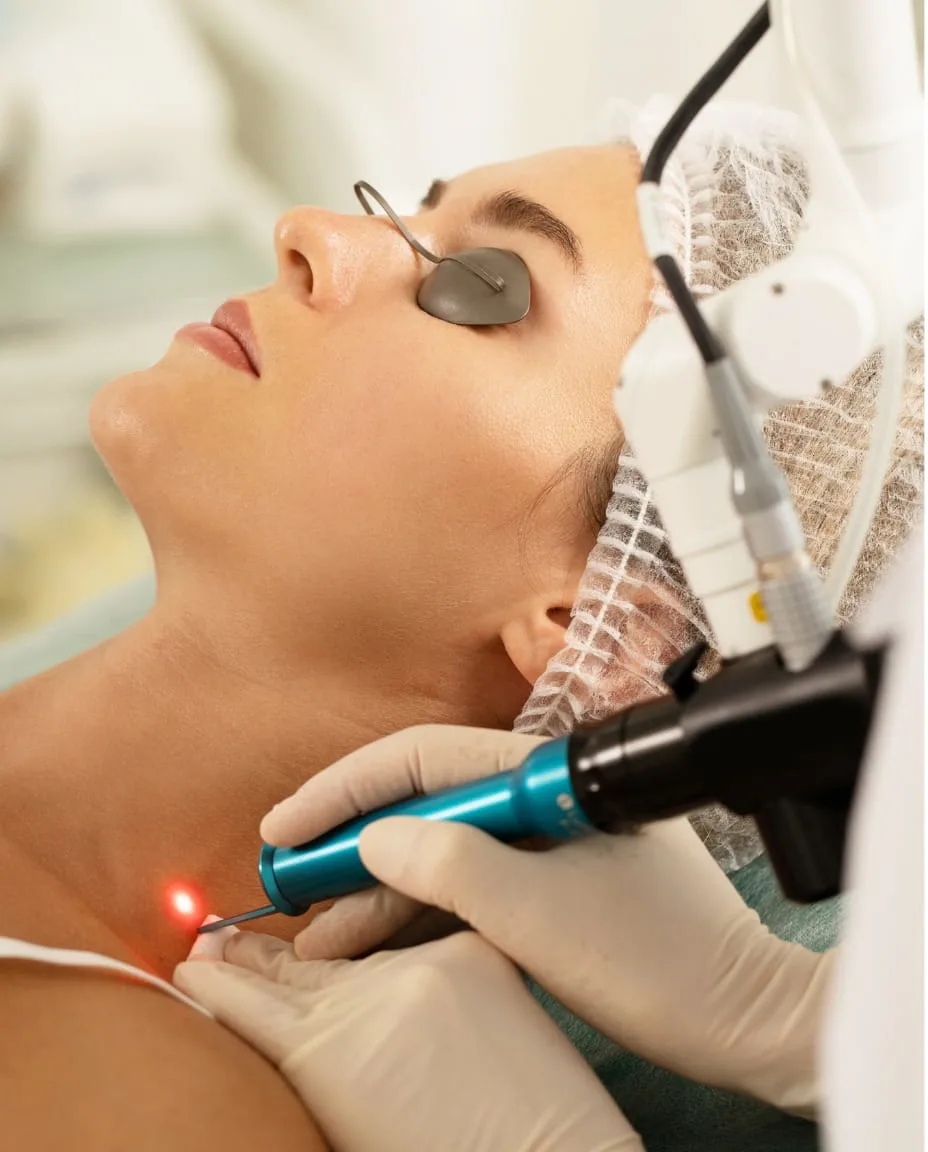
Start With Diagnosis
A proper assessment identifies your pigmentation type, evaluates your skin type, and determines whether laser pigmentation removal is actually appropriate for you.
THE QUICK ANSWER
Laser pigmentation treatment at Vedara Care, in one paragraph.
Laser pigmentation treatment uses targeted light energy to break down excess pigment in the skin, which the body then gradually clears as part of its natural healing process. Not all pigmentation is suitable for this approach — the treatment needs to be matched to the specific type of pigmentation involved, since conditions like sun spots, post-inflammatory marks, and melasma behave differently and carry different risks. A dermatologist typically begins with an assessment to identify the pigmentation type, evaluate your skin type, and determine whether laser is a reasonable option or whether an alternative approach would be safer or more effective. When laser treatment is appropriate, settings are individualised rather than applied uniformly, since higher-risk skin types and certain pigmentation types require a more conservative approach. Recovery can involve temporary redness, dryness, or darkening of the treated area before it fades, and healing time varies depending on the treatment used. Some patients see noticeable change after a single session, while others need a planned series of treatments spaced over time. Ongoing sun protection is part of the process throughout, since UV exposure can undo progress or trigger new pigmentation.
Medically reviewed by: [Verified Dermatologist Name] DHA-Licensed 2509266· Last updated: August 2026
CLINICAL APPLICATIONS
What Type of Pigmentation Can Laser Treatment Address?
Laser is not a universal answer to pigmentation — it's appropriate for some conditions and poorly suited, or even risky, for others. Below is an overview of the pigmentation types most commonly discussed during consultation, along with realistic expectations for each.
01. Sun spots and solar lentigines
Flat brown marks from cumulative sun exposure
Sun spots, also known as solar lentigines, are flat, well-defined brown marks that typically appear on areas with the most cumulative sun exposure — the face, hands, and shoulders. They tend to have clear borders and a fairly uniform colour, which is part of why they're often considered for targeted laser or light-based treatment. That said, appearance alone isn't enough for a treatment decision; an assessment is used to confirm the diagnosis before proceeding.
Realistic expectation: Improvement can be significant for many patients, but recurrence or the appearance of new spots is possible with continued sun exposure, so ongoing sun protection matters.
02. Post-inflammatory hyperpigmentation
Discoloured marks left behind after skin inflammation or injury
Post-inflammatory hyperpigmentation (PIH) develops after the skin has been through some form of inflammation or injury — acne, eczema flare-ups, a cut, or even certain cosmetic procedures. It appears as brown or dark patches where the inflammation occurred. Because PIH can be more reactive to heat and light-based treatment, particularly in medium to deeper skin tones, treatment approaches tend to be more conservative, with lower energy settings and closer monitoring.
Realistic expectation: PIH often improves with time and appropriate treatment, but aggressive laser settings can worsen it rather than help, which is why a cautious approach is standard practice.
03. Acne-related dark marks
Discolouration remaining after acne lesions heal
It's worth separating a few things that are often confused: active acne breakouts, temporary red marks, brown post-inflammatory marks, and true acne scars (textural changes). Laser pigmentation treatment specifically targets the brown discolouration left behind — not active breakouts, and not textural scarring, which needs a different approach entirely.
Realistic expectation: Laser treatment is generally not the first step while acne is still active; addressing the acne itself usually comes first, with pigmentation treated once breakouts are under control.
04. Sun-damaged facial pigmentation
Diffuse unevenness from years of UV exposure
Chronic sun exposure over the years can create a more general pattern of uneven tone across the face, rather than isolated spots. This diffuse pigmentation is sometimes considered for laser or light-based resurfacing as part of a broader skin rejuvenation approach.
Realistic expectation: Tone often becomes more even, but ongoing SPF use is essential, since sun-damaged skin is more prone to developing new pigmentation.
05. Melasma
A chronic, hormonally-influenced pigmentation condition
Melasma deserves particular caution, and it's worth being direct about this. Unlike sun spots, melasma is influenced by hormonal factors, UV exposure, and even visible light, and it tends to be more symmetrical and patchy in appearance, often across the cheeks, forehead, or upper lip. Melasma is also known to recur, and it behaves differently across different skin types. Using the wrong laser, or the wrong settings, on melasma can trigger a flare or make the condition worse rather than better. For this reason, melasma is typically approached with a dermatologist-led, often more conservative treatment plan — sometimes involving topical treatment and strict sun protection before or instead of laser is considered.
Realistic expectation: Melasma is generally a chronic condition that's managed over time rather than a mark that's removed in one step, and it can return even after successful treatment.
06. Freckles and other pigmentary concerns
Small, genetically influenced pigmented marks
Freckles are largely genetic and tend to become more visible with sun exposure. Some laser and light-based approaches may reduce their visibility, but because freckles are influenced by UV exposure, they can become more noticeable again without consistent sun protection.
Realistic expectation: Temporary lightening is possible, but freckles commonly reappear with sun exposure, so this isn't typically a one-time, permanent change.
07. Certain localised pigmented lesions
Individual pigmented marks that require clinical evaluation first
Not every dark mark is straightforward pigmentation from sun or inflammation. Some pigmented lesions need proper clinical evaluation — including dermoscopy, and sometimes referral or biopsy — before any cosmetic treatment is even considered. A responsible clinic will never treat an undiagnosed pigmented lesion purely for cosmetic reasons.
Realistic expectation: Any new, changing, or irregular pigmented lesion should be assessed clinically first; cosmetic treatment is only appropriate once a lesion has been properly evaluated.
08. Other pigmentation concerns
Cases better suited to non-laser approaches
Some pigmentation concerns respond better to topical treatment, chemical peels, microneedling, strict sun protection, or a combination of these — either instead of laser or alongside it. This is assessed individually, since not every case needs a laser-first approach.
Realistic expectation: The most effective plan is sometimes the one that doesn't start with a laser at all.
Why Pigmentation Treatment Starts With Diagnosis, Not the Laser
Pigmentation type matters.
Melasma, PIH, and sun spots aren't the same condition and don't respond the same way — treating them identically increases the risk of a poor outcome.
Skin type matters.
Fitzpatrick skin type — how the skin responds to UV exposure and injury — significantly influences pigmentation risk and how the skin will react to laser energy.
Laser selection matters.
Different devices and wavelengths interact differently with pigment in the skin; the right choice depends on the pigmentation type and skin type being treated.
Treatment intensity matters.
Higher energy settings are not automatically better — in pigmentation-prone skin, more aggressive treatment can trigger the very problem it's meant to solve.
Combination treatment may sometimes be better.
Topical treatment, chemical peels, or microneedling may complement — or in some cases replace — laser as part of an individualised plan.
Prevention is part of treatment.
Daily sun protection isn't an afterthought; it's often what determines whether results are maintained or pigmentation returns.
"Pigmentation treatment succeeds or fails on diagnosis long before it reaches the laser — matching the right approach to the right condition is most of the work."
TREATMENT PROCESS
What Happens During Laser Pigmentation Treatment?
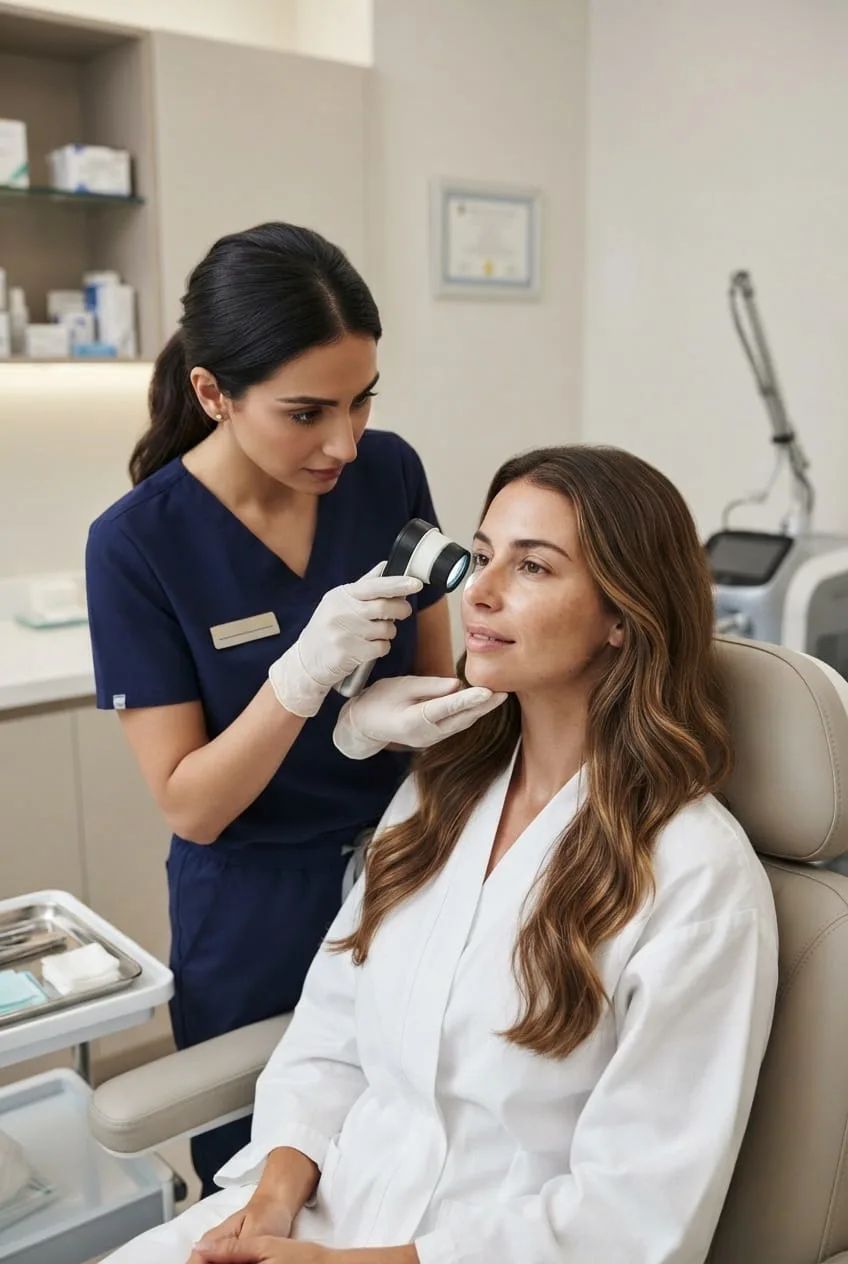
1 — Dermatology Consultation
Your first visit covers your medical history, a detailed pigmentation history, any previous treatments you've tried, current medications, and a clinical skin-type assessment. The dermatologist examines the affected areas directly, and may use tools such as a Wood's lamp or dermoscopy where appropriate to better understand the pigmentation involved.
2 — Treatment Planning
Based on the assessment, a plan is discussed covering which laser or approach is being considered, the treatment area, settings, an estimated number of sessions, expected recovery, and the specific risks relevant to your skin type and pigmentation.
3 — Laser Treatment
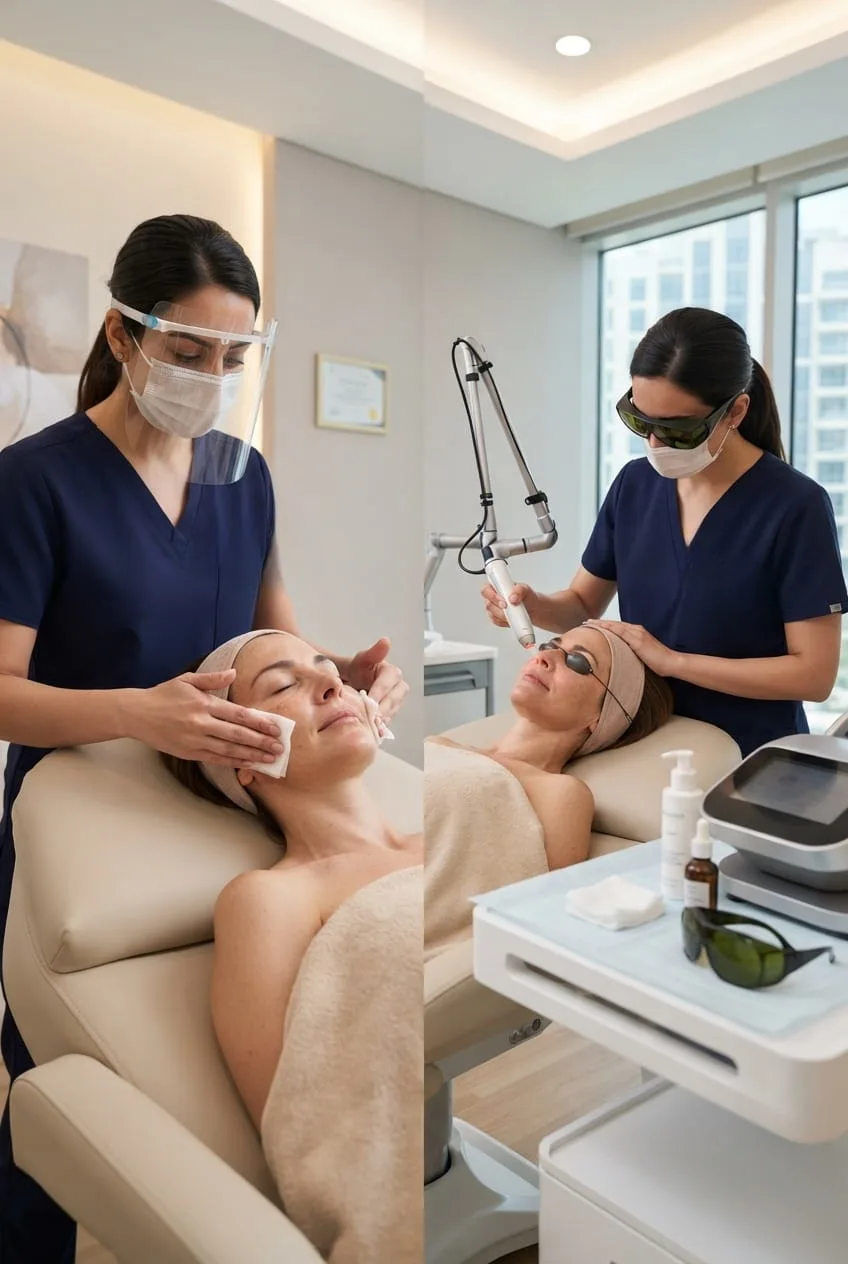
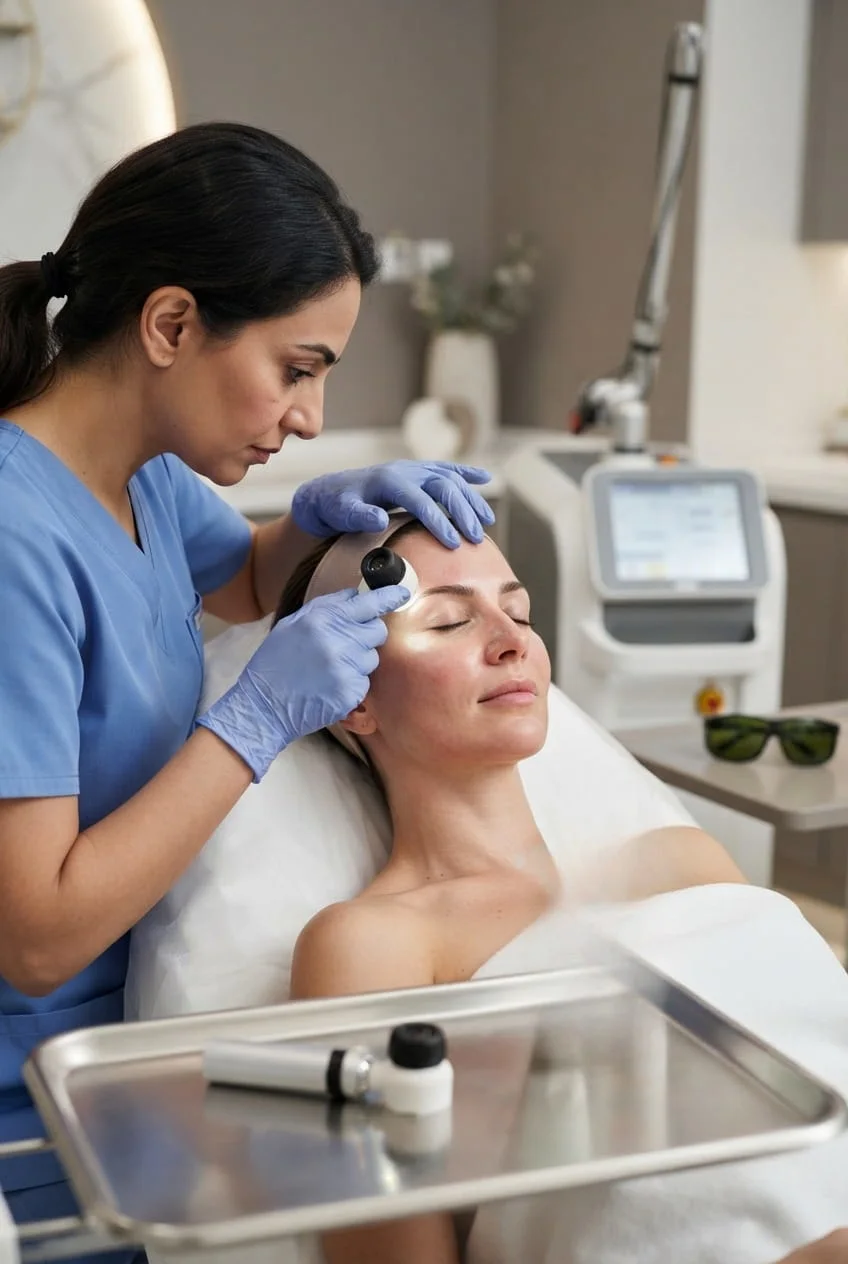
The skin is cleansed and eye protection is worn throughout. The laser is passed over the treatment area in a controlled way; most patients describe a warm, snapping sensation. Cooling or comfort measures may be used depending on the device and treatment area.
4 — Post-Treatment Care
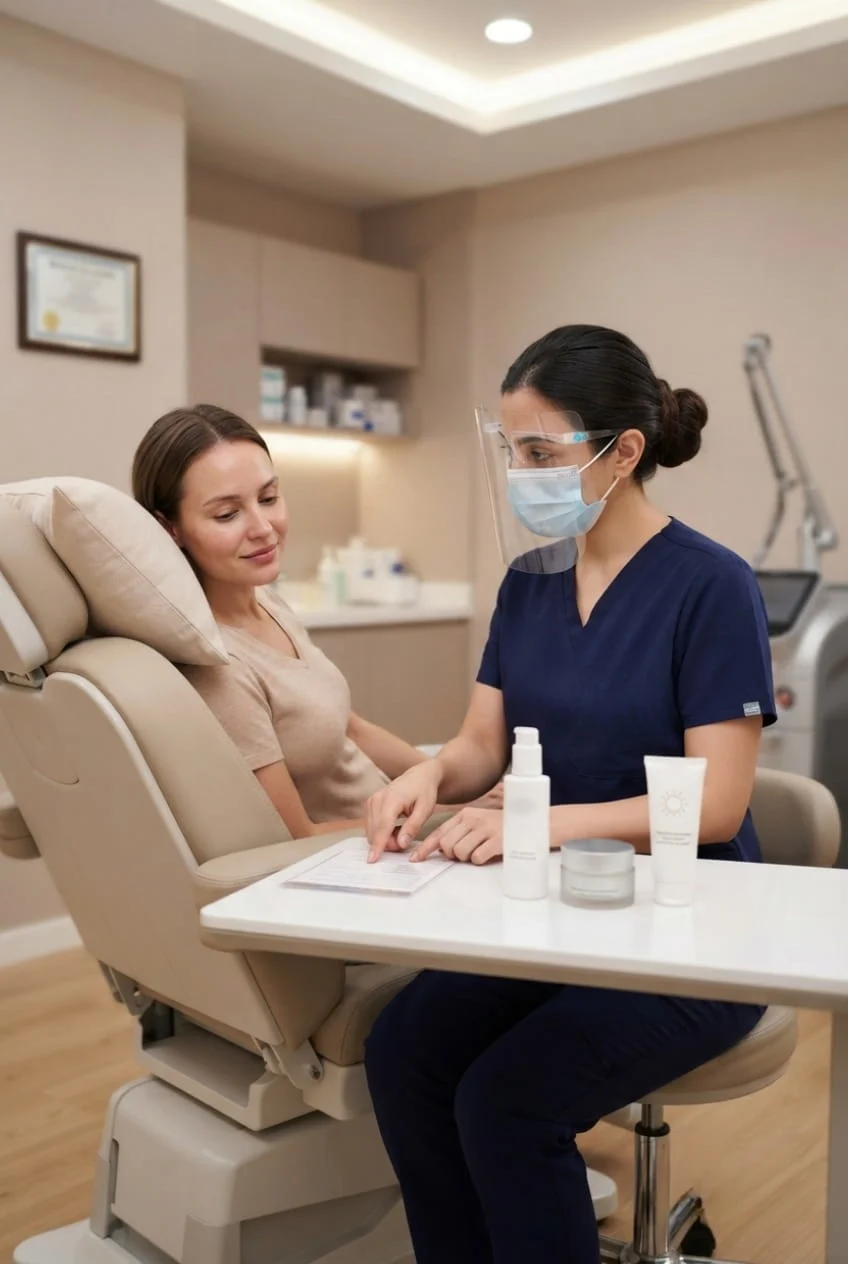
You'll be given specific instructions on gentle skincare, sun protection, and avoiding anything that could irritate the treated area. Your clinician will also explain what to watch for as your skin responds and recovers over the following days.
Laser Pigmentation Removal Recovery: What Should You Expect?
First 24 hours
Warmth, redness, and mild swelling in the treated area are common, similar to a mild sunburn sensation.
First few days
Many patients notice the treated pigmentation temporarily darkening before it starts to fade — this is often part of the expected process. Some dryness or flaking can occur, and light crusting is possible depending on the treatment used.
Following weeks
Pigment clearance and skin recovery vary from person to person and depend on the treatment approach; some areas continue to lighten gradually over several weeks.
Longer-term
Pigmentation may continue to improve progressively after treatment, but new pigmentation can still develop over time, particularly without consistent sun protection.
This isn't a treatment with no downtime, and recovery should be planned for rather than assumed away.
REALISTIC RESULTS
Laser Pigmentation Removal Before and After: Understanding Realistic Results
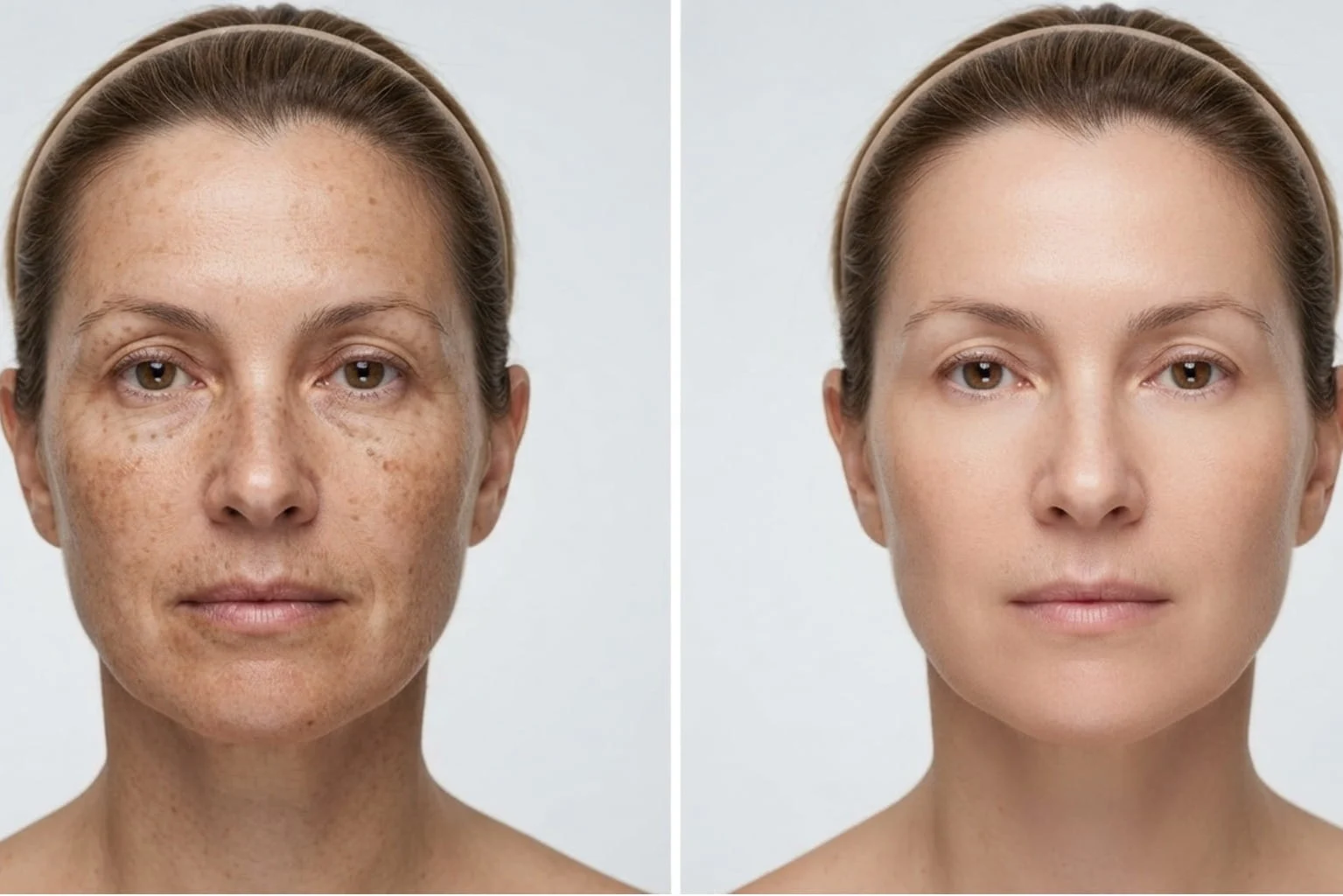
Before-and-after photographs can be a helpful reference, but they need to be interpreted carefully. Lighting conditions at the time a photo is taken can dramatically change how pigmentation appears, and skin tone itself affects how visible both the pigmentation and the improvement look in a photograph. Camera settings, angle, and even makeup can all shift what an image seems to show.
Photographs also don't tell you everything about the treatment behind them — what device was used, what settings, how many sessions were involved, or how that individual's skin typically heals. Two patients with similar-looking sun spots can have quite different outcomes depending on their skin type and pigmentation history.
SUITABILITY
Who May Be Suitable for Laser Pigmentation Treatment?
Laser pigmentation treatment may be considered for patients with:
- Solar lentigines (sun spots)
- Well-defined, sun-related pigmentation
- Certain localised pigmentation concerns
- Select cases of post-inflammatory hyperpigmentation, once assessed
- Other pigmentary concerns identified as suitable during dermatologist assessment
Suitability ultimately depends on several individual factors, including:
- •The specific pigmentation type
- •Skin type and tone
- •Medical history
- •Current skincare routine
- •Medications you're taking
- •Any previous cosmetic procedures
- •Recent sun exposure or tanning
HONEST BOUNDARIES
Is Laser Pigmentation Treatment Suitable for Everyone?
No — and it's important to be upfront about this rather than treat laser as a default solution. Laser may not be the first choice for:
In these situations, alternative approaches may be more appropriate, including prescription skincare, chemical peels, microneedling, targeted medical treatment, strict sun protection, or simply continued observation.
Laser Pigmentation Treatment Side Effects and Safety Considerations
Most patients experience some combination of the following temporary effects:
• Redness
• Warmth
• Mild swelling
• Skin sensitivity
• Dryness and flaking
• Temporary darkening of the treated pigmentation before it fades
Less common risks include burns, blistering, infection, scarring, prolonged redness, and changes in skin colour. These may include post-inflammatory hyperpigmentation, where the treated area becomes darker, or hypopigmentation, where it becomes lighter than the surrounding skin. The level of risk varies depending on the laser device, treatment settings, skin type, pigmentation condition, treatment area, practitioner’s technique, and adherence to aftercare instructions. People with darker or more sensitive skin may require particularly careful treatment planning to reduce the risk of unwanted pigmentation changes.Laser pigmentation treatment is not completely risk-free. A dermatologist should discuss the potential benefits, limitations, side effects, and individual risks as part of informed consent before treatment begins. Proper assessment and personalised settings can help improve safety and treatment outcomes.
COMBINATION PLANNING
Can Laser Pigmentation Treatment Be Combined With Other Treatments?
In some cases, combining approaches can be worthwhile — but this should be planned individually rather than assumed. Treatments sometimes considered alongside laser pigmentation treatment include:
Combination treatment should never be assumed automatically — it's discussed and planned based on your specific pigmentation and skin response.
TREATMENT FREQUENCY
How Many Laser Pigmentation Sessions Do You Need?
There's no universal number that applies to every patient. Some concerns may improve after an initial treatment, while others require a planned series of sessions. The number needed depends on:
- •The type of pigmentation being treated
- •How deep the pigment sits in the skin
- •Your skin type
- •How your skin responds to initial treatment
- •Which laser is selected
- •The treatment intensity used
- •Ongoing sun exposure
- •How consistently aftercare is followed
Your dermatologist will typically give a working estimate after assessment, adjusting the plan as your skin responds.
TIMELINE
When Will You See Results From Pigmentation Laser Treatment?
Some patients notice immediate changes to the treated pigmentation, though this often looks like temporary darkening rather than the final result. As the skin heals over the following days and weeks, pigment gradually clears and tone begins to even out. Improvement is typically progressive rather than instant, and further sessions — if needed — build on this over time. Long-term maintenance, including daily sun protection, plays a large role in whether results are sustained. The visible timeline differs meaningfully between pigmentation types — sun spots often show change faster than melasma, which tends to improve more slowly and requires longer-term management.
PRICING
What Does Laser Pigmentation Removal Cost in JVC?
| Service | Starting Price |
|---|---|
| Pigmentation consultation | [VERIFY PRICE] |
| Laser pigmentation treatment — small area | [VERIFY PRICE] |
| Laser pigmentation treatment — face | [VERIFY PRICE] |
| Follow-up assessment | [VERIFY PRICE] |
| Treatment programme | [VERIFY PRICE] |
Cost depends on the treatment area, the type of pigmentation being treated, the laser used, the number of sessions required, treatment complexity, and any follow-up assessments needed. Final pricing is confirmed after your consultation.
What Patients Ask Before Booking Laser Pigmentation Removal in JVC
Answers to common questions about laser pigmentation removal, suitability, recovery, and results in Dubai.
Book ConsultationStart With the Right Pigmentation Diagnosis
The most useful first step isn't automatically booking a laser session — it's finding out exactly what type of pigmentation you're dealing with. Sun spots, melasma, and post-inflammatory marks all look different up close to a trained eye, and they don't all respond to the same treatment in the same way.
A proper assessment identifies your pigmentation type, evaluates your skin type, and determines whether laser pigmentation removal is actually appropriate for you — or whether an alternative approach would serve you better. From there, an individualised treatment plan is built around realistic expectations, not assumptions.
If you're exploring laser pigmentation removal in JVC, the next step is a consultation where your specific pigmentation can be properly assessed before any treatment decision is made.
GET IN TOUCH
Book a Pigmentation Consultation at Vedara Care Polyclinic
NEARBY LANDMARKS
- ✓Binghatti Azure building, Al Barsha South Fourth
- ✓Near JVC Circle Mall, accessible from Sheikh Mohammed Bin Zayed Road and Al Khail Road
DISTANCE FROM DUBAI COMMUNITIES
Important Information
Medical Disclaimer
This page is for informational purposes only and does not constitute medical advice. All treatments carry risks and benefits that should be discussed with a qualified healthcare professional. Results vary between individuals. Vedara Care Polyclinic is a DHA-licensed facility.
READY TO START?
Book a Pigmentation Consultation
Not sure what’s causing your pigmentation or which treatment is right for you? A consultation with a dermatologist is a good place to start. At Vedara Care in JVC, we’ll take a close look at your skin, understand your concerns, and recommend a treatment plan that suits you.
RELATED SERVICES AND RESOURCES
Related Dermatology Services and Resources
Pigmentation treatment in JVC
Uneven skin tone, dark spots, and sun pigmentation can be treated with a personalised approach. Our dermatology team assesses your skin first and recommends the most suitable treatment.
Learn moreMelasma treatment
Melasma can be difficult to manage and may require more than one approach. A dermatologist can assess your pigmentation and create a treatment plan designed to help improve skin tone while reducing the risk of recurrence.
Learn moreDermatology clinic in JVC
From everyday skin concerns to more complex conditions, our dermatology team provides professional assessment and personalised treatment plans for patients in Jumeirah Village Circle.
Learn moreSkin rejuvenation
If your skin looks dull, uneven, or tired, skin rejuvenation treatments can help improve its overall appearance and texture. Your dermatologist can recommend an option based on your specific skin concerns.
Learn moreChemical peel treatment
Chemical peels can help improve pigmentation, uneven tone, acne marks, and skin texture. The type and strength of peel are selected according to your skin and treatment goals.
Learn moreMicroneedling treatment
Microneedling uses controlled micro-injuries to support the skin’s natural renewal process. It may help improve acne scars, uneven texture, and the overall appearance of the skin.
Learn moreRF microneedling
RF microneedling combines microneedling with radiofrequency energy to target skin texture and firmness. It can be considered for concerns such as acne scars, enlarged pores, and mild skin laxity.
Learn moreAcne treatment
Persistent acne can affect both your skin and confidence. A dermatologist can identify the type and severity of acne and recommend treatment aimed at controlling breakouts and reducing the risk of lasting marks.
Learn more