Pelvic floor physiotherapy in Dubai. Female specialists. Discreet care. Cultural respect.
Specialist pelvic floor physiotherapy at our Jumeirah Village Circle (JVC) clinic, walking distance from Circle Mall. Delivered exclusively by female DPT-qualified physiotherapists with specific pelvic floor training. We treat postnatal recovery, urinary incontinence, pelvic organ prolapse, sexual function concerns, pregnancy support, and chronic pelvic pain. Cultural and modesty considerations respected throughout — external and internal assessment options available based on your preference.

Entirely Female Team for This Service
Our pelvic floor service is delivered exclusively by female physiotherapists. Internal assessment is available but never required — external-only assessment produces excellent outcomes for many conditions.
THE QUICK ANSWER
Pelvic floor physiotherapy at Vedara Care, in one paragraph.
Pelvic floor physiotherapy at Vedara Care Polyclinic in Jumeirah Village Circle (JVC), Dubai — walking distance from Circle Mall — is specialist women's health and pelvic health treatment delivered exclusively by female DPT-qualified physiotherapists with specific pelvic floor training. We treat postnatal pelvic floor recovery, urinary incontinence (stress, urge, and mixed types), pelvic organ prolapse (cystocele, rectocele, uterine prolapse — conservative management), pregnancy-related pelvic floor issues, sexual function concerns (painful intercourse, vaginismus, postnatal sexual recovery), chronic pelvic pain, diastasis recti, and men's pelvic health. Our approach respects cultural and personal preferences — comprehensive external assessment is available for patients who prefer this, with internal assessment offered as an option with consent. Treatment includes pelvic floor muscle training, biofeedback, manual therapy, postural and breathing work, exercise prescription, and patient education. Insurance direct-billing with seven major insurers.
Medically reviewed by Dr. Rania Al-Hassan, DPT, DHA-Licensed 2509266 · Last updated June 2026
What the pelvic floor actually does — and what happens when it does not work properly.
Most patients have never had basic pelvic floor function properly explained. Understanding what is happening removes confusion and shame, and helps you engage effectively with treatment.
The pelvic floor is a group of muscles, ligaments, and connective tissues that form the base of your pelvis. These structures support the pelvic organs (bladder, uterus, bowel), control continence, contribute to sexual function, and play a role in core stability and breathing.
What the pelvic floor does every day
The pelvic floor muscles work continuously throughout the day. They contract automatically when you cough, sneeze, lift, or laugh — preventing leakage. They relax appropriately during urination and bowel movements. They contribute to sexual sensation and function. When functioning properly, you should be unaware of them — they simply do their job.
When the pelvic floor is not working properly
Pelvic floor dysfunction can manifest in many ways: leaking urine with cough or exercise (stress incontinence); sudden urgent need to urinate (urge incontinence); feeling of heaviness or bulging in the pelvis (prolapse); pain during sexual activity; chronic pelvic pain; lower back pain related to pelvic instability. The same muscle group, different patterns of dysfunction.
Why pelvic floor dysfunction is so common and so undertreated
Pelvic floor dysfunction affects up to one in three women during their lifetime, with rates substantially higher in postnatal populations. Despite this, many patients suffer silently for years. The reasons: embarrassment, cultural norms, assumption that symptoms are normal after childbirth, and lack of awareness that effective treatment exists.
The Dubai context
In Dubai's diverse expat and Emirati population, pelvic floor concerns are particularly underaddressed. The substantial expat and Emirati birth rate means many postnatal women have concerns that go untreated. Cultural modesty norms in some communities make raising pelvic concerns particularly difficult. The presence of qualified female pelvic floor physiotherapists matters significantly.
The good news
Most pelvic floor conditions respond excellently to appropriate physiotherapy. Stress incontinence often resolves completely with structured pelvic floor muscle training. Many prolapse symptoms substantially improve with conservative management. Postnatal recovery is typically excellent with appropriate intervention.
Many of the most distressing pelvic floor symptoms — stress incontinence, prolapse symptoms, painful intercourse, postnatal recovery — respond excellently to physiotherapy. The shame and silence are often more limiting than the conditions themselves.
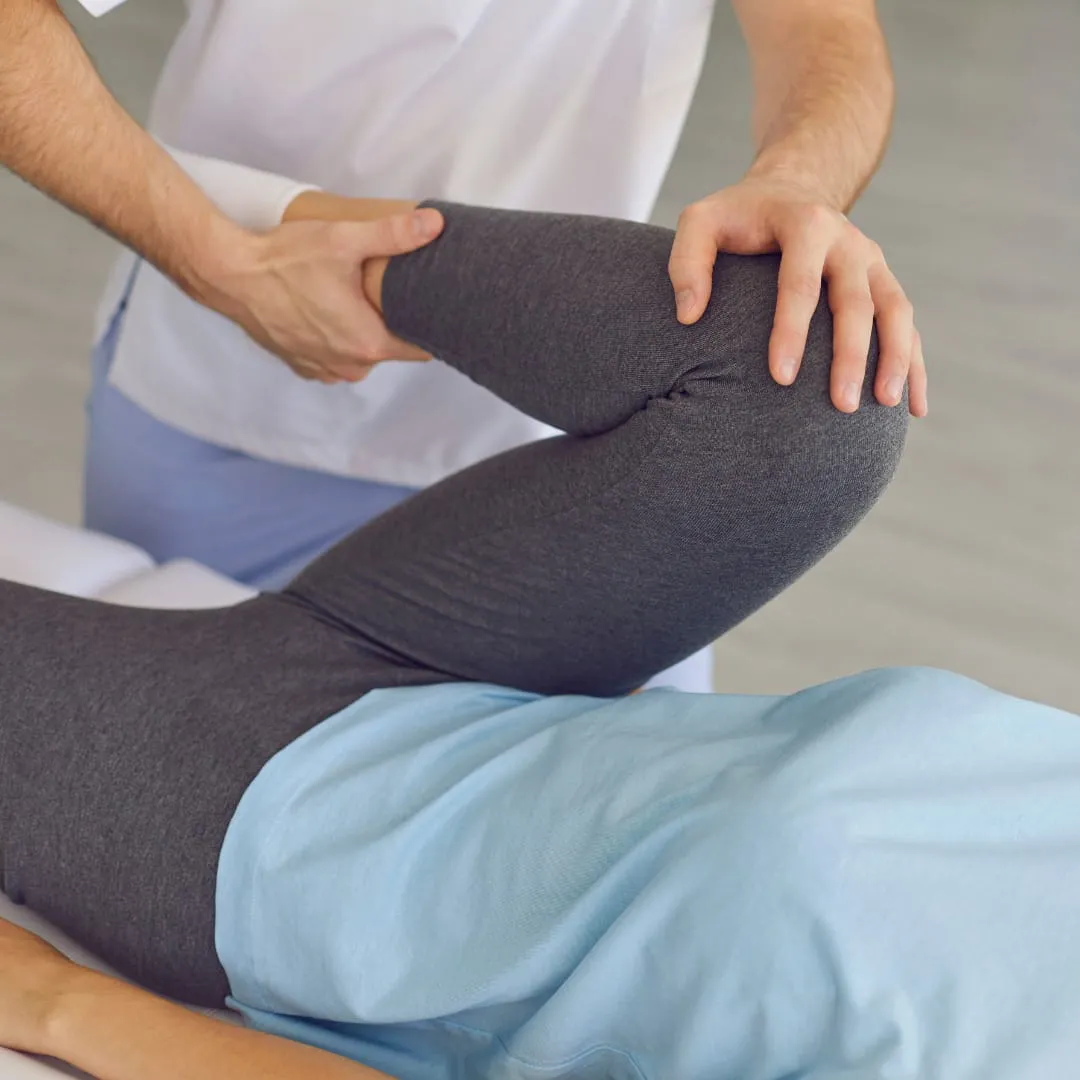
Common Conditions
The pelvic floor conditions we treat at our JVC clinic.
Most pelvic floor conditions are highly treatable with appropriate physiotherapy. These are the most common conditions we see at our clinic.
Postnatal Pelvic Floor Recovery
After childbirth — vaginal or caesarean — pelvic floor recovery is essential. Common postnatal concerns include stress incontinence, perineal pain or scarring, diastasis recti (abdominal separation), pelvic floor weakness, painful intercourse, and overall postnatal recovery. We treat across the postnatal spectrum from 6 weeks postpartum to years after birth.
Typical patient: Postnatal woman, often expat or Emirati, weeks to years after childbirth
Stress Urinary Incontinence
Leaking urine with cough, sneeze, laugh, exercise, or other physical exertion. The most common pelvic floor concern. Often very responsive to structured pelvic floor muscle training. Most patients see substantial improvement within 8-12 weeks of appropriate treatment. Surgery rarely needed when conservative care is properly delivered.
Typical patient: Adult woman, often postnatal or perimenopausal, sometimes athletes
Urge Urinary Incontinence and Overactive Bladder
Sudden strong urge to urinate, sometimes with leakage before reaching the toilet. Different mechanism from stress incontinence. Treatment combines pelvic floor work with bladder retraining, behavioural modifications, and addressing underlying contributors. Often responds well to comprehensive treatment.
Typical patient: Adult woman, often older or with specific medical conditions
Pelvic Organ Prolapse (Conservative)
Cystocele (bladder prolapse), rectocele (rectum prolapse), uterine prolapse — descent of pelvic organs creating heaviness, bulging, or pressure. Mild to moderate prolapse often responds excellently to physiotherapy combined with pessary fitting. Severe prolapse may need surgical consideration but conservative trial first is appropriate.
Typical patient: Adult woman, often postnatal years after birth, sometimes perimenopausal
Painful Intercourse & Vaginismus
Pain during sexual activity (dyspareunia) or involuntary muscle spasm preventing intercourse (vaginismus). Affects relationships and quality of life substantially. Often very responsive to physiotherapy combined with comprehensive education. Patients often have suffered silently for years before seeking help.
Typical patient: Woman of reproductive age, often postnatal, sometimes with history of difficult experiences
Pregnancy and Pelvic Girdle Pain
Pelvic girdle pain in pregnancy (sometimes called symphysis pubis dysfunction), pelvic floor preparation for birth, antenatal pelvic health work. Treatment safe in pregnancy with appropriate adaptations. Many patients find substantial relief during pregnancy and improved labour preparation.
Typical patient: Pregnant woman, often in second or third trimester
Chronic Pelvic Pain
Persistent pelvic pain not explained by other conditions. Often complex with multiple contributing factors. Comprehensive approach including manual therapy, exercise, education, and coordination with other specialists. Improvement often takes longer than other conditions but outcomes can be substantial.
Typical patient: Adult woman or man, often with complex history; sometimes requires multidisciplinary team approach
Men's Pelvic Floor Conditions
Pelvic floor dysfunction in men is real but underaddressed. Common presentations include post-prostatectomy incontinence, chronic pelvic pain syndromes, erectile dysfunction with pelvic floor contribution, and pelvic floor coordination disorders affecting bowel function. Delivered by appropriately trained physiotherapists.
Typical patient: Adult man, often post-prostate surgery, sometimes chronic pelvic pain patient
Don't see your specific concern? We treat a full range of conditions—contact us discreetly to discuss your needs →
About the Assessment
What the pelvic floor assessment actually involves.
Anxiety about what the assessment will involve is one of the biggest barriers to seeking pelvic floor care. We explain clearly what is involved and respect your preferences throughout.
Many patients are anxious about pelvic floor assessment, particularly internal examination. We respect that anxiety and accommodate preferences. Most importantly: internal assessment is never required. Excellent outcomes are achievable with external-only assessment for many conditions.
The first appointment
The first appointment is typically 75-90 minutes — longer than standard physiotherapy because pelvic floor assessment is more comprehensive and patient discussion takes time. The session includes detailed history-taking, discussion of assessment options, postural assessment, breathing assessment, external palpation, and treatment planning. Comprehensive treatment can begin at the first session even if you choose external-only assessment.
External assessment — what it involves
External assessment includes observation of the pelvic floor area externally (you can choose to remain partly clothed), palpation of external muscle attachments and surrounding tissues, observation of pelvic floor function through external visualisation, and assessment of associated muscle groups (abdominals, hips, lower back). External assessment provides substantial diagnostic information for many conditions.
Internal assessment — what it involves (if you choose)
Internal assessment provides additional diagnostic information about specific muscle layers and conditions where external assessment is limited. It is performed only with explicit informed consent. Patients can choose to bring a chaperone. Can be discontinued at any point. We never proceed with internal assessment without your active consent.
When internal assessment particularly adds value
For certain conditions, internal assessment substantially improves diagnostic accuracy: complex prolapse assessment, evaluating specific muscle layer strength, assessing pelvic floor coordination problems, evaluating muscle tension causing pain, and evaluating scar tissue from childbirth or surgery. We will explain this honestly so you can make an informed choice.
Always with respect
Throughout assessment and treatment, your comfort and consent guide everything. You can ask questions at any time. You can stop the assessment at any point. You can choose to keep clothing on or have a chaperone present. We have no agenda other than helping you address your concerns in the way that works for you.
Your Choices
You can choose:
For Modesty Preferences
Cultural Considerations Welcomed
How we deliver pelvic floor physiotherapy at Vedara.
Effective pelvic floor physiotherapy combines several evidence-based approaches. The specific combination is calibrated to your condition, your preferences, and your goals.
Comprehensive initial assessment
The first session is comprehensive — typically 75-90 minutes including detailed history, postural assessment, breathing assessment, external pelvic floor assessment (and internal if you consent), assessment of associated muscle groups, goal-setting, and treatment planning.
Pelvic floor muscle training
The foundation of pelvic floor physiotherapy. Specific training of pelvic floor muscles — including both strengthening (for weak pelvic floors) and relaxation training (for tight pelvic floors with pain or coordination problems). Different from generic Kegel exercises — calibrated to your specific dysfunction pattern.
Biofeedback technology
External biofeedback using sensors that detect muscle activity provides visual feedback during pelvic floor training. Particularly useful for patients who struggle to identify pelvic floor contractions. Biofeedback substantially improves training accuracy and patient understanding.
Manual therapy where appropriate
For patients with muscle tension, scar tissue restrictions, or specific dysfunction patterns, manual therapy may be appropriate. This may include external soft tissue work on relevant muscle groups, scar tissue work for postnatal patients, and where consent is given, internal techniques for specific conditions.
Postural and breathing retraining
The pelvic floor works with the diaphragm, deep abdominals, and postural muscles as a coordinated system. Many pelvic floor problems involve dysfunction in this broader system. Addressing the broader system is often essential for pelvic floor recovery.
Bladder and bowel retraining
For incontinence and urgency conditions, behavioural training programmes substantially improve outcomes. May include bladder diaries, scheduled voiding, urge suppression techniques, fluid management guidance, and bowel coordination training.
Most pelvic floor conditions are highly treatable. The combination of accurate assessment, specific exercise, biofeedback, manual therapy, and patient education produces excellent outcomes for most patients.
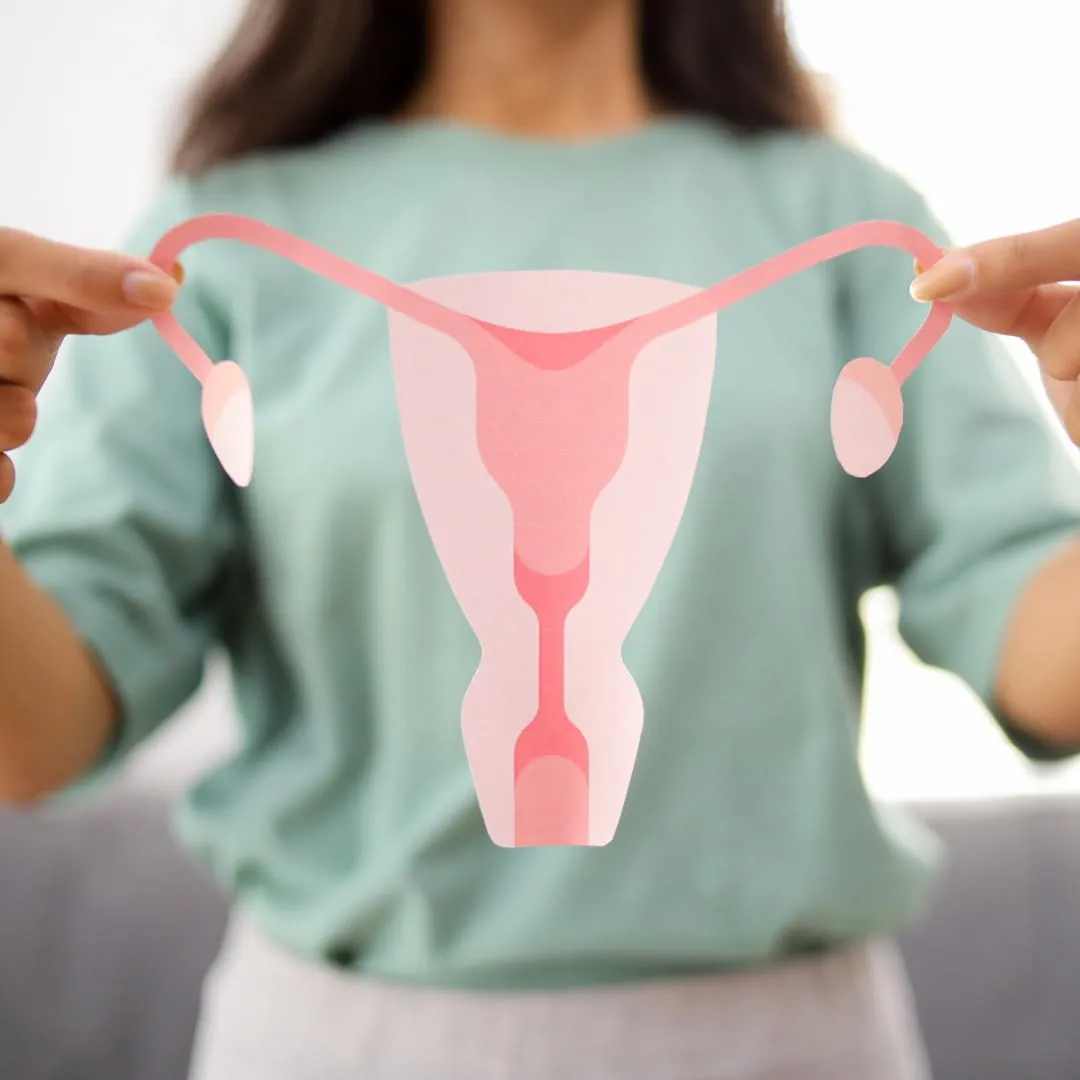
Postnatal Care
Postnatal pelvic floor physiotherapy — the largest patient group at our clinic.
After childbirth, pelvic floor recovery is essential but often inadequately supported. Whether you are 6 weeks postpartum, 6 months, or 6 years, postnatal pelvic floor concerns are highly treatable.
Postnatal pelvic floor recovery is a major area of our practice. Dubai has a substantial expat and Emirati birth rate, and postnatal care for pelvic floor concerns is often inadequate across maternity systems. We provide structured postnatal pelvic floor recovery from 6 weeks postpartum onwards.
The 6-week postnatal check is just the beginning
Most patients receive a 6-week postnatal check focused on medical recovery. This check rarely includes detailed pelvic floor assessment. Many women leave told they 'are fine' when they have significant pelvic floor concerns that have not been assessed. Specialist pelvic floor physiotherapy provides the detailed evaluation that the general postnatal check does not.
What we treat in postnatal patients
Common postnatal presentations include stress incontinence, perineal pain or scarring from delivery, caesarean scar mobility issues, diastasis recti (abdominal separation), pelvic floor weakness, painful intercourse after birth, prolapse symptoms, back pain related to postnatal postural changes, and return-to-exercise concerns.
The postnatal recovery timeline
From 6 weeks assessment can begin with medical clearance. Early focus on gentle pelvic floor reconnection, scar mobility work, basic strengthening, postural work. From 3 months progression to stronger pelvic floor loading. From 6 months return to running and impact exercise. Beyond 1 year maintenance programmes for long-term pelvic health.
Postnatal home physiotherapy available
For new mothers in the early postnatal period, leaving home with a newborn is often impractical. We provide home physiotherapy across Dubai for postnatal pelvic floor work. Particularly useful in the first 6-12 weeks postpartum, with transition to clinic visits as logistics improve. Same female physiotherapist throughout home and clinic phases.
For new mothers (6 weeks postpartum+)
For caesarean recovery
For vaginal birth recovery
Real recoveries. Real outcomes.
Stress incontinence for three years after my second baby. Embarrassed to discuss with anyone. Finally found Vedara — the female physiotherapist made me completely comfortable from the first conversation. Twelve weeks of structured pelvic floor work, including biofeedback. The leaking that defined my exercise life — gone completely. I run, I jump, I sneeze freely.
Postnatal patient
Stress Incontinence · 12-Week Programme · Dubai Marina · February 2026
Pelvic organ prolapse diagnosed by gynaecologist who recommended surgery. Wanted to try conservative care first. Vedara's pelvic floor physiotherapist provided structured 6-month programme combining pelvic floor strengthening, biofeedback, and lifestyle modifications. Surgery deferred indefinitely. The honest discussion about realistic expectations was excellent.
Sara K.
Cystocele Prolapse · 6-Month Conservative Programme · JVT · January 2026
Painful intercourse for 18 months — affecting my relationship and confidence. Saw multiple providers who told me it would resolve with time. Vedara's pelvic floor physiotherapist identified specific scar tissue and pelvic floor tension contributing to the pain. Eight weeks of treatment. The pain resolved completely. The compassion alongside the clinical skill made the difference.
Postnatal patient
Dyspareunia · 8-Week Programme · Dubai Hills · March 2026
4.9 ★
stars on Google
240+
pelvic floor patients treated
86%
Substantial improvement within 16 weeks
Female pelvic floor specialists at our JVC clinic.
Our pelvic floor service is delivered exclusively by female DPT-qualified physiotherapists with specific pelvic floor training.

Dr. Rania Al-Hassan
Specialist pelvic floor training from King's College London. 8 years clinical experience in women's health physiotherapy.

Dr. Priya Sharma
Women's health physiotherapy specialist with advanced pelvic floor rehabilitation training. Postnatal care focus.

Dr. Fatima Al-Zaabi
Specialist in chronic pelvic pain and pelvic organ prolapse conservative management. UAE National specialist.

Dr. Sana Mirza
Specialised in sexual function concerns, vaginismus, and dyspareunia treatment with compassionate, evidence-based care.
Coordination with your gynecologist, urogynecologist, or obstetrician.
Pelvic floor physiotherapy often works alongside other medical care. We coordinate respectfully with your broader medical team.
Many pelvic floor patients have other medical providers involved in their care. We coordinate with whichever providers are part of your medical team.
Your treating gynecologist
For many pelvic floor patients, the gynaecologist provides medical management of underlying conditions, prescribes medications, fits pessaries for prolapse, performs surgical procedures when needed. We coordinate with your treating gynaecologist on shared care plans and respect their broader management of your care.
Your urogynecologist
For complex pelvic floor and urinary conditions, urogynaecologists provide specialist medical and surgical care. We coordinate particularly for complex incontinence, complex prolapse, and post-surgical recovery. Physiotherapy often substantially improves outcomes when integrated with urogynaecological care.
Your obstetrician and maternity team
For pregnant and postnatal patients, your obstetrician and maternity care providers manage pregnancy, delivery, and immediate postnatal care. We coordinate with your maternity team for antenatal pelvic floor work (with obstetric clearance) and postnatal recovery (typically beginning from 6 weeks postpartum).
Your urologist (for male patients)
For men's pelvic floor patients, urologists typically manage medical aspects including post-prostatectomy care, chronic pelvic pain workups, and other urological conditions. We coordinate with your treating urologist on shared care plans for men's pelvic floor work.
Your GP and family physician
Your GP often coordinates overall care. We can communicate with your GP about findings, progress, and ongoing recommendations. Some patients prefer that we keep their pelvic floor care private from their GP; we respect this preference.
OUR COORDINATION APPROACH
For every pelvic floor patient:
We will recommend specialist consultation if:
· Symptoms suggest underlying conditions requiring medical workup
· Conservative care is not producing expected progress
· Pessary fitting is appropriate for prolapse management
· Surgical consultation is warranted
What pelvic floor physiotherapy costs.
Initial pelvic floor assessment (75-90 minutes)
AED 650
Follow-up treatment session (60 minutes)
AED 450
Biofeedback session add-on
AED 120
Postnatal recovery programme (8 sessions, 8-12 weeks)
AED 3,200
Stress incontinence programme (12 sessions, 8-12 weeks)
AED 4,800
Prolapse conservative management (12-16 sessions, 12-24 weeks)
AED 5,600
Chronic pelvic pain programme (16-24 sessions)
AED 7,200
Antenatal preparation programme (6 sessions)
AED 2,400
Postnatal home physiotherapy (60 min including travel)
AED 600
Men's pelvic floor programme
AED 4,200
Insurance direct-billing with seven major insurers. Pelvic floor physiotherapy is covered by most Dubai insurance plans with medical justification. Postnatal pelvic floor care often covered as part of maternity benefits — coverage varies by plan. WhatsApp us for specific coverage discussion. We handle pre-authorisation on your behalf when required.
What pelvic floor patients ask before booking.
Many patients have suffered silently for years. The questions below are normal and welcomed
Ask a QuestionVisit Us
Where pelvic floor physiotherapy happens at Vedara Care JVC.
NEARBY LANDMARKS
- ✓Walking distance from Circle Mall
- ✓3 min from FIVE Jumeirah Village Hotel
- ✓5 min from JSS Private School
- ✓Free patient parking
DISTANCE FROM DUBAI COMMUNITIES
Ready to Address Your Pelvic Floor Concerns?
Female specialists. Discreet care. Excellent outcomes.
Whether you have struggled with pelvic floor symptoms for weeks, months, or years — appropriate specialist care substantially improves outcomes. The first useful step is a comprehensive pelvic floor assessment at our JVC clinic, delivered by a female DPT-qualified physiotherapist. Cultural and modesty preferences respected throughout. Internal assessment is never required. Same-week appointments typically available.
Initial assessment from AED 650 · Walking distance from Circle Mall, JVC · 240+ pelvic floor patients treated · Female specialists exclusively · Cultural sensitivity · Insurance direct-billing
EXPLORE FURTHER
Related services and resources
Integrated Postnatal Care
For postnatal patients interested in combined Ayurveda + physiotherapy postnatal care. The Sutika Paricharya programme integrates traditional and conventional postnatal recovery.
Learn moreHome Physiotherapy Across Dubai
For postnatal patients who cannot easily travel — home pelvic floor physiotherapy across Dubai during the early postpartum period.
Learn morePhysiotherapy in JVC
Our complete physiotherapy department — all specialisations and conditions treated at our Jumeirah Village Circle clinic.
Learn moreBack Pain Physiotherapy
Related condition — postnatal back pain often coexists with pelvic floor concerns. Evidence-based back pain physiotherapy at our JVC clinic.
Learn more