Chemical peel in JVC, Dubai. Skin-type-safe medical peels for pigmentation, texture, and rejuvenation.
Specialist chemical peel treatment at our Jumeirah Village Circle (JVC) clinic, walking distance from Circle Mall — serving patients from across Dubai for sophisticated dermatology-led chemical peel care. DHA-licensed consultant dermatologists delivering evidence-based standardised peel protocols across the full range of formulations. Particular expertise for Fitzpatrick IV–VI skin types where wrong peel selection can produce hyperpigmentation worse than the original concern.
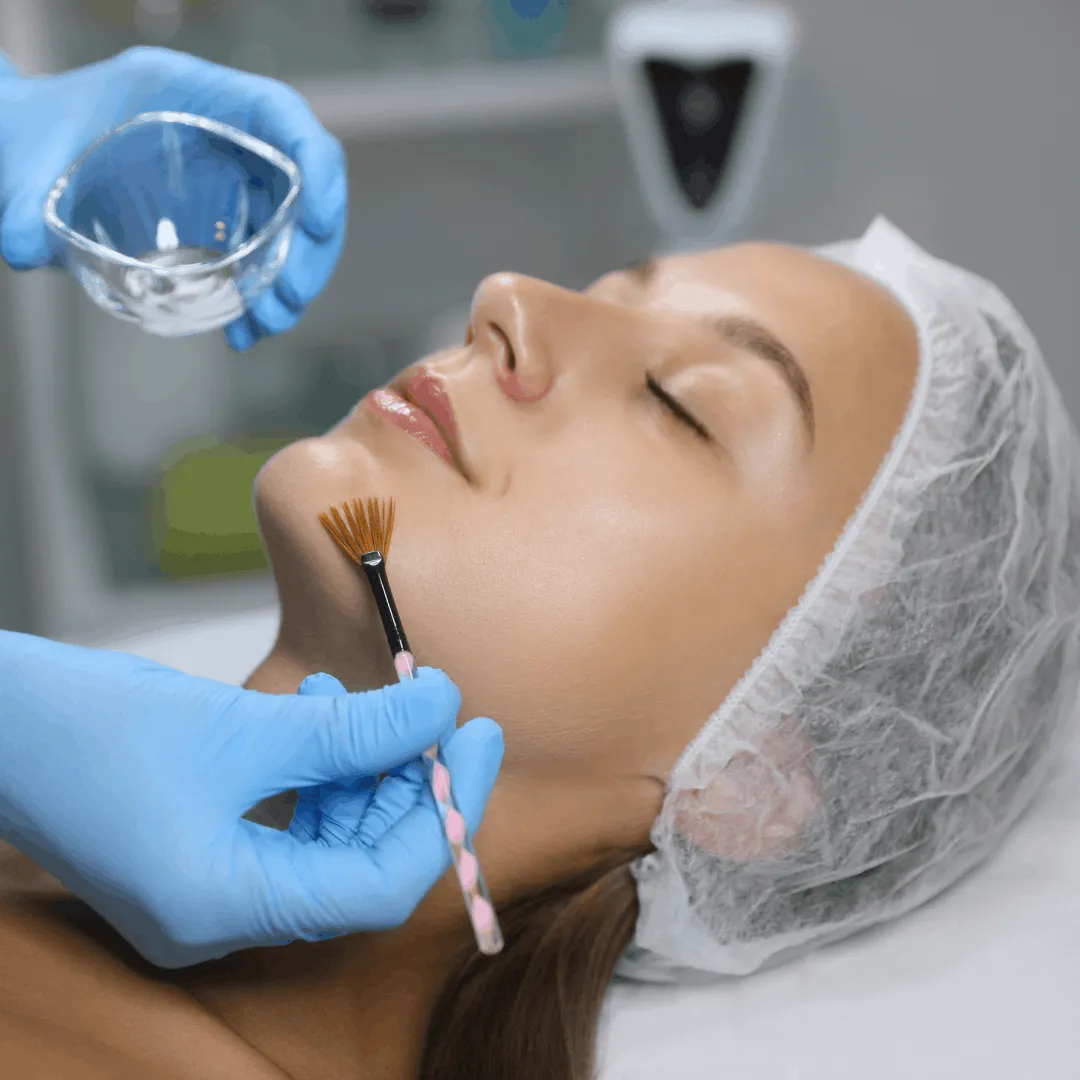
Peel choice matters substantially.
The most common reason for chemical peel complications — particularly in Dubai's diverse skin type population — is peel selection mismatched to the patient's skin type. Dermatology-led peel selection matched to your specific skin type prevents post-inflammatory hyperpigmentation.
THE QUICK ANSWER
Chemical peel treatment at Vedara Care, in one paragraph.
Chemical peel treatment at Vedara Care Polyclinic in Jumeirah Village Circle (JVC), Dubai — walking distance from Circle Mall — is specialist dermatology-led skin renewal delivered by DHA-licensed consultant dermatologists with substantial expertise across all Fitzpatrick skin types (I–VI). Chemical peels use controlled application of specific acid formulations to renew skin — the depth of penetration and specific formulation are matched to your skin type, concerns, and treatment goals. We deliver the full range: superficial peels including glycolic acid (skin renewal, brightening), mandelic acid (safer for darker skin, gentle exfoliation), lactic acid (hydrating renewal), salicylic acid (particularly for acne and oily skin) — all safe across skin types; medium-depth peels including TCA-based formulations and Jessner's peel with careful patient selection primarily for lighter skin types (Fitzpatrick I–III). Common indications: pigmentation and uneven tone, acne and post-inflammatory hyperpigmentation, texture concerns and pore refinement, photoaging and fine lines, dullness and radiance loss, pre-event skin preparation. Skin-type-specific safety is our foundational principle — Fitzpatrick IV–VI patients receive conservative approach with superficial peels rather than aggressive medium-depth peels which risk hyperpigmentation. Multiple sessions typically required (usually 4–6 for a series), often in combination with skincare foundation and other treatments. Individual session cost typically AED [X]–[X] depending on peel type; treatment packages provide better value. Patients travel to our JVC clinic from across Dubai for specialist chemical peel care.
Medically reviewed by [Lead Consultant Dermatologist Name], MD, DHA-Licensed 2509266 · Last updated July 2025
How chemical peels actually work — and why skin type expertise is essential.
Chemical peels are one of the most established aesthetic dermatology treatments — but effective, safe delivery requires substantial expertise particularly for darker skin types.
Chemical peels have been used in dermatology for over 100 years — the mechanism is well-understood, the evidence base is substantial, and the treatment can produce excellent outcomes. What varies substantially is delivery quality.
The biological mechanism
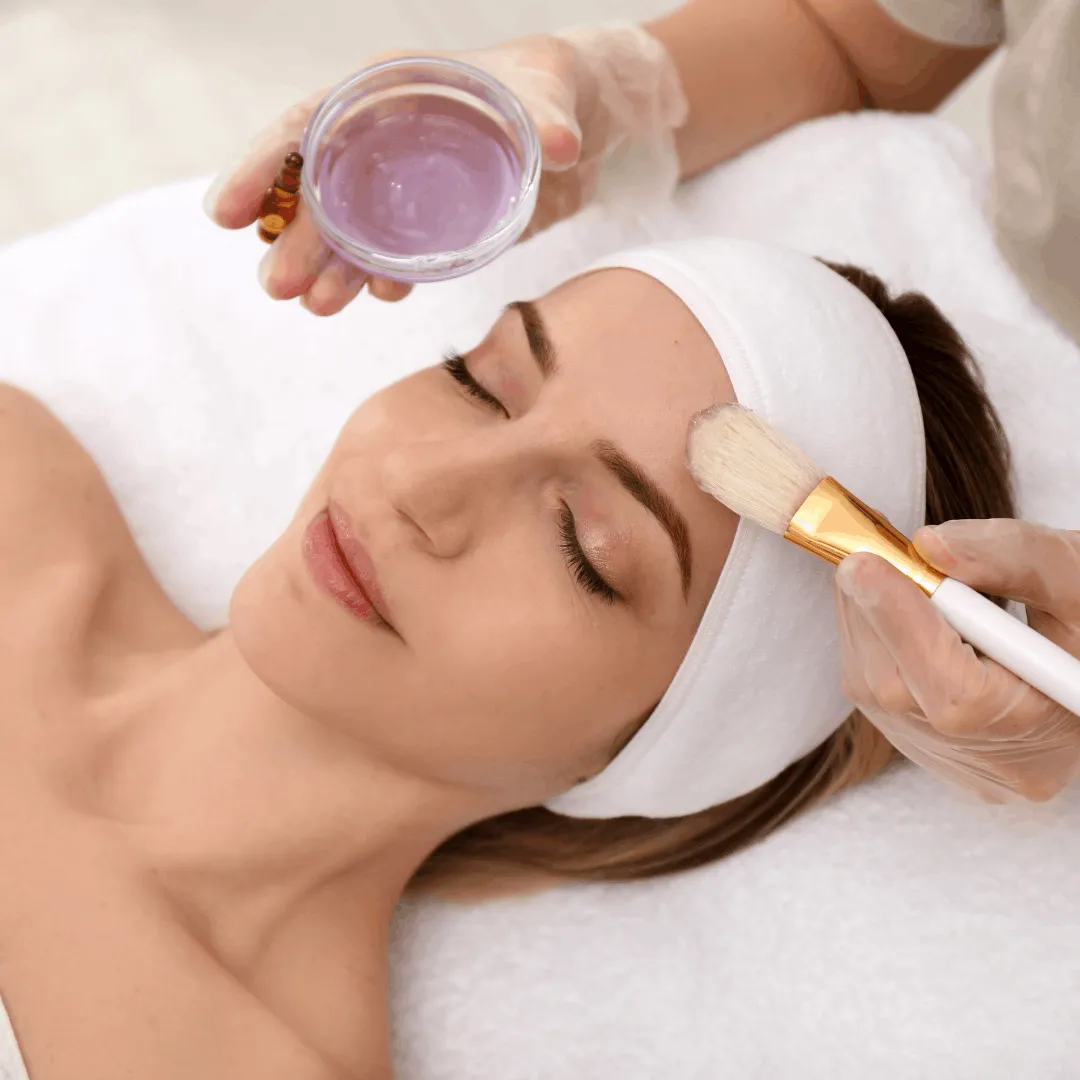
Chemical peels use controlled application of specific acid or acid combination formulations to remove outer skin layers at defined depths. This controlled injury triggers skin renewal: accelerated shedding of pigmented and damaged surface cells, stimulation of new collagen production, evening of pigmentation, improvement of texture. The specific formulation and its concentration determine depth of penetration; different depths address different concerns.
The three depth categories
Superficial peels penetrate only the epidermis (outermost skin layer). Gentle renewal with minimal downtime. Safe across all skin types including Fitzpatrick IV–VI. Examples: glycolic acid 10–30%, mandelic acid, lactic acid, salicylic acid. Medium-depth peels penetrate through epidermis into papillary dermis. Substantial results possible; more significant downtime and complications risk particularly in darker skin. Examples: TCA 15–35%, Jessner's peel, glycolic acid 70%. Deep peels penetrate into reticular dermis — rarely used today outside specific clinical situations; largely replaced by laser treatments.
Why skin type matters critically
Fitzpatrick skin type (I–VI ranging from very fair to very dark) fundamentally affects safe peel selection. Lighter skin types (I–III) tolerate medium-depth peels well with good outcomes. Darker skin types (IV–VI — dominating Dubai's demographic) are prone to post-inflammatory hyperpigmentation from aggressive peels. What produces excellent results in lighter skin can produce hyperpigmentation worse than the original concern in darker skin. Conservative superficial peel approach with skin-safe formulations produces excellent results in darker skin without complication risk.
Common peel indications
Effective for: uneven pigmentation and tone (sun spots, mild melasma, post-inflammatory hyperpigmentation from acne); texture concerns (smoothness, pore refinement); general skin renewal for maintenance and prevention. Less effective for: deep static wrinkles, volume loss, advanced scarring, pigmentation from deep dermal deposits.
Why dermatology-led peels are safer and more effective
Non-medical aesthetic providers typically use limited peel range often without proper skin type assessment. Complications from wrong peel selection in darker skin are common. Dermatology-led peel treatment includes: comprehensive assessment identifying safest and most effective peel; access to full range of formulations; recognition of any underlying conditions affecting peel selection; complication management capability; combination approach with other treatments when appropriate.
"The difference between excellent chemical peel outcomes and disappointing complications comes down to peel selection matched to your specific skin type. This is where dermatologist expertise matters most substantially."
PEEL PENETRATION DEPTHS
Superficial
Epidermis only — Safe for: All Fitzpatrick types
Medium-Depth
Into papillary dermis — Safe for: Primarily Fitzpatrick I-III
Deep
Into reticular dermis — Rarely used today
FITZPATRICK SKIN TYPE SPECTRUM
I
II
III
IV
V
VI
I-III: Full range · IV-VI: Superficial peels prioritised
The chemical peel formulations we deliver at our JVC clinic.
Comprehensive range from gentle superficial peels safe for all skin types through carefully-selected medium-depth peels for appropriate patients.
Glycolic Acid Peel
TYPICAL SIGNS:
- BEST FOR: General skin renewal, brightening, texture, mild pigmentation
- SKIN TYPE: All Fitzpatrick types at appropriate strengths
Mandelic Acid Peel
TYPICAL SIGNS:
- BEST FOR: Darker skin renewal, acne in darker skin, sensitive skin, mild pigmentation
- SKIN TYPE: Particularly well-suited for Fitzpatrick IV-VI
Lactic Acid Peel
TYPICAL SIGNS:
- BEST FOR: Hydrating renewal, sensitive skin, dry skin, mild pigmentation
- SKIN TYPE: All Fitzpatrick types
Salicylic Acid Peel
TYPICAL SIGNS:
- BEST FOR: Acne, oily skin, blackheads, pore refinement, oily-skin pigmentation
- SKIN TYPE: All Fitzpatrick types
Jessner's Peel
TYPICAL SIGNS:
- BEST FOR: Pigmentation, texture, mild scarring, photoaging in lighter skin
- SKIN TYPE: Primarily Fitzpatrick I-III; cautious use in IV rarely
TCA (Trichloroacetic Acid) Peel
TYPICAL SIGNS:
- BEST FOR: Established photoaging, moderate texture concerns in appropriate skin types
- SKIN TYPE: Fitzpatrick I-III; not recommended for IV-VI
Melasma-Specific Peels
TYPICAL SIGNS:
- BEST FOR: Melasma as part of comprehensive treatment plan
- SKIN TYPE: All Fitzpatrick types with formulation adjustment
Acne-Specific Peels
TYPICAL SIGNS:
- BEST FOR: Acne and post-acne pigmentation as part of comprehensive treatment plan
- SKIN TYPE: All Fitzpatrick types with formulation adjustment
How we match peel selection to your specific concerns and skin type.
Not menu-based selection — dermatologist-led matching of peel formulation to your specific situation.
Effective chemical peel treatment requires matching the specific formulation to your specific concerns, skin type, and treatment goals. This matching is where dermatologist expertise matters most substantially.
Assessment guiding peel selection
Initial consultation identifies: your specific skin concerns (pigmentation, texture, acne, aging, or combination); your Fitzpatrick skin type with treatment implications; any underlying skin conditions requiring recognition (melasma, rosacea, active acne); previous peel experiences and outcomes; your event timing / lifestyle considerations affecting downtime tolerance; realistic treatment goals. This assessment guides specific peel recommendation.
Skin type-based selection
For Fitzpatrick I–III (lighter skin): full range of options available; medium-depth peels (TCA-based, Jessner's) can be considered where substantial renewal is indicated. For Fitzpatrick IV–VI (darker skin — dominant Dubai demographic): superficial peels preferred (mandelic acid particularly well-suited, glycolic at appropriate concentrations, lactic acid); very careful use of any medium-depth peels only in specific situations with substantial safety consideration; strong bias toward conservative approach preventing post-inflammatory hyperpigmentation.
Concern-based selection
For pigmentation: gentle acids combined with tyrosinase inhibitors; melasma-specific formulations for melasma; series-based approach. For acne: salicylic acid or salicylic acid combination peels; series with skincare foundation. For texture: glycolic acid series often effective; medium-depth peels in appropriate skin types for more established concerns. For photoaging: combination approach with peels plus other modalities. For general renewal and maintenance: gentle superficial peel series.
Series planning and maintenance
Most peel treatments delivered as series (typically 4–6 sessions spaced 2–4 weeks apart depending on peel type). Individual sessions produce modest improvement; series produces substantial improvement. Photography documentation captures progressive changes. After initial series, maintenance sessions periodically preserve results. Some patients benefit from maintenance peels every 2–3 months long-term.
When peels are part of combination protocols
Chemical peels frequently combined with other treatments for comprehensive outcomes: peels + microneedling for enhanced texture and pigmentation; peels + laser for combined pigmentation approach; peels + skincare + sun protection foundation; peels within comprehensive skin rejuvenation programmes; peels within melasma or acne treatment protocols. Dermatology-led approach designs these combinations naturally.
Peel Selection Principles
Always considered:
For darker skin (IV–VI):
For lighter skin (I–III):
Typical session structure:
What to expect from chemical peel treatment.
Understanding downtime, results timing, and realistic outcomes helps you plan effectively.
Post-Peel Immediate
DAYS 0-3
Immediately post-peel: skin appears slightly pink or red depending on peel depth. Feels tight and sensitive. Sun protection critical from immediate post-peel period. Superficial peels: mild redness resolving in hours to a day; makeup possible next day. Medium-depth peels: significant redness and swelling; makeup deferred 3–5 days.
Peeling Phase
DAYS 2-7
Skin peeling process: superficial peels — light flaking days 2–5, often minimal and easily managed. Medium-depth peels — significant peeling days 3–7, more disruptive. During peeling: avoid picking or forcing peeling; continue skincare regimen as directed; strict sun avoidance and SPF 50+ application; some social/work adjustment for medium-depth peels.
Immediate Post-Peel Results
WEEKS 1-4
Once peeling completes, skin reveals renewed surface: smoother texture, more even tone, brighter appearance. Superficial peels — subtle improvement per session, series produces substantial cumulative results. Medium-depth peels — visible substantial improvement from single treatment. Continued strict sun protection critical during this phase.
Sustained Results & Maintenance
MONTHS 1+
Substantial improvement in target concerns visible. Best photographic comparison typically 1–2 months after final session. Sustained results require: continued sun protection (single most important factor), appropriate skincare regimen, maintenance peel sessions periodically (every 2–6 months). Maintenance approach produces substantially better long-term results.
These patterns describe typical patient experience. Individual variation occurs based on peel type, skin sensitivity, healing capacity, and adherence to post-peel guidance. Post-peel sun protection is the single most important factor in outcomes — inadequate sun protection can produce post-inflammatory hyperpigmentation even after safe peel treatment.
What chemical peels can achieve
- ✓Substantial improvement in pigmentation, texture, tone, mild scarring, superficial photoaging, radiance, and general skin quality
- ✓Effective addition to comprehensive treatment plans
- ✓Series-based cumulative improvement
- ✓Safe options across all skin types with appropriate selection
What chemical peels cannot achieve
- —Reversal of severe volume loss
- —Elimination of deep static wrinkles
- —Complete correction of severe scarring
- —Permanent results without maintenance
- —Results comparable to laser resurfacing or surgical procedures for advanced concerns
Real chemical peel outcomes with skin-type-safe expertise.
""Previous chemical peel at an aesthetic clinic produced substantial post-inflammatory hyperpigmentation on my Fitzpatrick V skin — worse than my original concerns. Took months to recover with correction treatment elsewhere. Approached Vedara cautiously wanting to try peels safely. Their assessment was completely different: comprehensive discussion of my skin type, recommendation of mandelic acid peel series rather than the aggressive peel I had previously received, conservative approach with careful concentration selection. Six months later: substantial improvement in my original texture and mild pigmentation concerns without any complications. The skin-type-specific safety expertise made all the difference.""
Female Patient, 34, Fitzpatrick V
Skin Renewal · 6-Session Mandelic Peel Series
Downtown Dubai · February 2026
""Sun damage and mild melasma from years in Dubai — uneven tone bothering me despite otherwise good skin. Vedara recommended combined approach: melasma-specific peel series alongside topical treatments and comprehensive sun protection education. Six sessions over 4 months produced substantial improvement in pigmentation and overall tone. The dermatology-led combination approach with peels as one element within comprehensive plan worked substantially better than my previous attempts at aesthetic clinics offering peels alone.""
Female Patient, 41, Fitzpatrick IV
Pigmentation and Sun Damage · Combination Programme
Dubai Marina · January 2026
""Persistent acne and post-inflammatory hyperpigmentation despite various treatments. Vedara integrated salicylic acid peel series into my acne treatment plan alongside prescribed medications. Peels addressed both active acne and pigmentation from previous breakouts. Six sessions over 3 months substantially improved both active acne and post-inflammatory pigmentation. The integration of peels within comprehensive acne treatment made outcomes substantially better than peels or acne treatment alone would have achieved.""
Female Patient, 26, Fitzpatrick IV
Acne with Post-Inflammatory Hyperpigmentation · Combination Programme
Al Barsha South · March 2026
4.9
stars on Google
800+
chemical peel patients treated
Fitzpatrick I–VI
expertise
Full
peel formulation range
Consultant dermatologists for chemical peel treatment at our JVC clinic.
DHA-licensed specialists with substantial expertise in aesthetic dermatology and chemical peel selection across all Fitzpatrick skin types. Female and male dermatologists available. Multiple languages including Arabic, English, Hindi, Urdu.

Dr. Sarah Al-Rashidi, MD
Dr. Priya Mehta, MD
Dr. Ahmed Hassan, MD
Dr. Riya Nair, MD
What chemical peel treatment at our JVC clinic costs.
Initial chemical peel consultation with skin assessment (45–60 minutes)
AED [X]
Follow-up consultation
AED [X]
Superficial peel — glycolic acid (per session)
From AED [X]
Superficial peel — mandelic acid (per session)
From AED [X]
Superficial peel — lactic acid (per session)
From AED [X]
Superficial peel — salicylic acid (per session)
From AED [X]
★ Superficial peel package (4–6 sessions)
From AED [X]
Medium-depth peel — TCA (per session)
From AED [X]
Medium-depth peel — Jessner's (per session)
From AED [X]
Specialised melasma peel (per session)
From AED [X]
Specialised acne peel (per session)
From AED [X]
★ Comprehensive peel programme with skincare
From AED [X]
★ Pre-wedding peel package
From AED [X]
Maintenance peel session
From AED [X]
Medical-grade post-peel skincare
From AED [X]
What patients ask about chemical peel treatment.
For related aesthetic and condition questions, see linked pages.
Ask Our Team on WhatsAppFIND US
Visit Our JVC Clinic
NEARBY LANDMARKS
- ✓3 min from FIVE Jumeirah Village Hotel
- ✓5 min from JSS Private School
- ✓Walking distance from Circle Mall
- ✓Easy access from JVT, Al Barsha South, Sports City, Motor City, Arjan
DISTANCE FROM DUBAI COMMUNITIES
READY FOR SKIN-TYPE-SAFE CHEMICAL PEEL?
Comprehensive consultation identifies your right peel.
Whether you have specific concerns to address (pigmentation, acne, texture, aging), event-driven timing to work with, previous peel experiences to discuss, or general skin renewal goals — comprehensive consultation designs your personalised approach. Our DHA-licensed consultant dermatologists provide thorough skin assessment, peel recommendation matched to your specific skin type, realistic timeline expectations, and cost transparency. Same-week appointments typically available at our JVC clinic.
Initial consultation from AED [X] · Walking distance from Circle Mall, JVC · DHA-licensed consultant dermatologists · 800+ chemical peel patients treated · Fitzpatrick I–VI expertise · Full peel formulation range · Female and male dermatologists · Multiple languages
EXPLORE FURTHER
Related treatments and conditions
Skin Rejuvenation
Comprehensive multi-modal skin rejuvenation covering all aesthetic dermatology treatments.
Learn moreMelasma Treatment
For patients whose primary concern is melasma — comprehensive melasma treatment information.
Learn moreAcne Treatment
For patients with acne and post-inflammatory hyperpigmentation — comprehensive acne treatment.
Learn moreDermatology Clinic
Our complete dermatology department covering medical and aesthetic services.
Learn more