Pigmentation treatment in JVC, Dubai. Identify your specific pigmentation — find the right care.
Patients arrive at our Jumeirah Village Circle (JVC) clinic with many different pigmentation types — melasma, post-inflammatory hyperpigmentation, vitiligo, and others. Different pigmentation types require different treatments. This page helps you identify your specific concern and guides you to the most relevant care pathway. DHA-licensed consultant dermatologists with substantial expertise across all Fitzpatrick skin types.
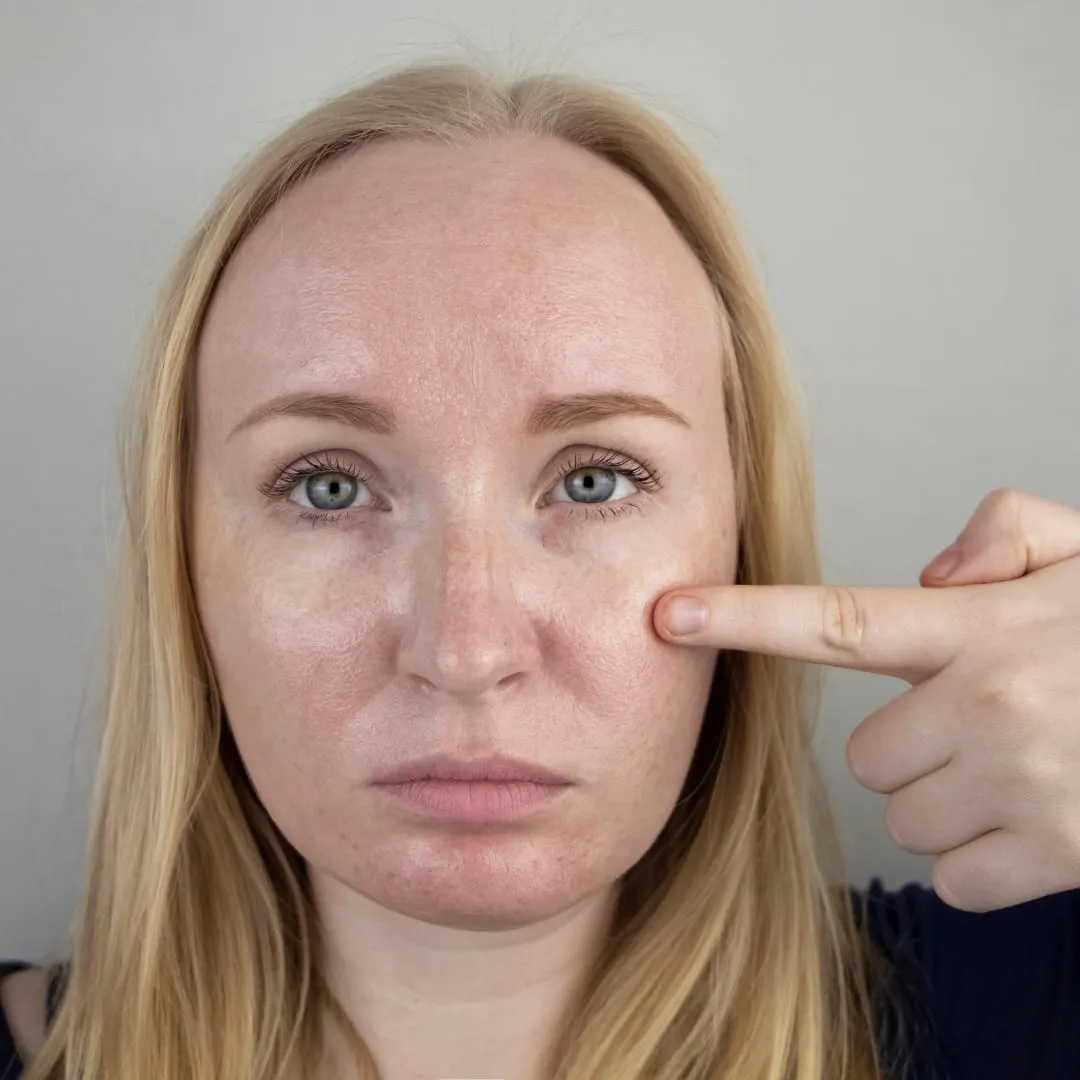
DIFFERENT PIGMENTATION, DIFFERENT TREATMENT.
The most common reason for pigmentation treatment failure is treating different pigmentation types the same way. One size does not fit all — accurate identification first matters most.
A simple way to navigate your pigmentation concerns.
Identify your pigmentation type
Browse the pigmentation categories below. Choose the one that best matches your situation. Many patients have multiple types — start with what bothers you most.
Learn about your specific concern
Each pigmentation type links to detailed information about what it involves, treatment options, and what consultation involves. Read at your own pace.
Book consultation when you feel ready
If reading helps you feel confident about what you need — book directly. If you'd prefer expert guidance, booking a consultation is also a great starting place. Same-day appointments typically available.
What type of pigmentation do you have?
Select the category that best describes your specific concern. We will guide you to relevant information.
Melasma
Chronic Facial Pigmentation
Symmetrical brown patches typically on cheeks, forehead, upper lip, chin. Often triggered by pregnancy, hormonal contraceptives, or perimenopause. Aggravated by sun exposure. Chronic condition requiring sustained management. Particularly common in Fitzpatrick III–VI skin types.
How to recognise:
Symmetrical patches on face, often worsening with sun exposure
Common in:
Women 20s–50s, particularly with hormonal triggers
Post-Inflammatory Hyperpigmentation (PIH)
Post-Inflammatory Dark Marks
Dark marks remaining after acne, eczema, injury, or other inflammation resolves. Different from acne scarring (which is textural). Particularly noticeable in darker skin types. Most common cause of patient-reported pigmentation concerns from acne patients.
How to recognise:
Dark spots where previous inflammation or breakouts occurred
Common in:
Acne patients, particularly Fitzpatrick IV–VI
Age Spots & Sun Spots
Solar Lentigines
Flat brown spots on sun-exposed areas — face, hands, chest, shoulders. Develop over years from UV exposure. More common with age. Distinguished from melasma by pattern and trigger. Highly responsive to appropriate treatment.
How to recognise:
Discrete flat brown spots on sun-exposed skin
Common in:
Adults 40+ with substantial sun exposure history
Sun Damage & Photoaging
Diffuse Photoaging Pigmentation
Diffuse uneven pigmentation from accumulated sun exposure. Often combined with other photoaging signs — fine lines, texture changes. Particularly relevant in Dubai given intense year-round UV exposure. Treatment combines pigmentation correction with broader skin rejuvenation.
How to recognise:
Overall uneven skin tone, combined with other sun damage signs
Common in:
Adults with substantial sun exposure history
Body Pigmentation
Underarms, Intimate Areas, Body
Pigmentation in non-facial areas — underarms, intimate areas, neck, knees, elbows, body folds. Multiple causes including friction, hormonal factors, deodorants, hair removal methods. Treatment approach differs from facial pigmentation. Discreet consultation always available.
How to recognise:
Dark areas on body, often in folds or friction areas
Common in:
Many demographics, particularly women with preferences for even body tone
Vitiligo & Hypopigmentation
Loss of Skin Pigment
Opposite of hyperpigmentation — loss of skin pigment producing white or lighter patches. Distinct condition with a different treatment approach. Includes vitiligo (autoimmune), post-inflammatory hypopigmentation, and other causes. Requires specialist assessment.
How to recognise:
White or lighter patches rather than dark patches
Common in:
Various demographics; vitiligo affects approximately 1% of population
Drug-Induced or Post-Procedural
Medication & Procedure-Related Pigmentation
Pigmentation caused by medications (some antibiotics, antimalarials, hormones, chemotherapy) or following procedures (laser treatments, chemical peels, injectables). Requires identification of cause and specific management. Sometimes resolves with cause removal; sometimes requires treatment.
How to recognise:
Pigmentation onset associated with specific medications or procedures
Common in:
Patients on specific medications; patients with adverse procedural outcomes
Multiple or Unclear Concerns
Complex or Uncertain Pigment
Multiple pigmentation types in the same patient, or pigmentation that does not clearly fit other categories, or pigmentation requiring expert assessment to identify the specific cause. Comprehensive dermatology consultation provides accurate diagnosis and treatment planning.
How to recognise:
Multiple pigmentation patterns or uncertainty about specific type
Common in:
Patients with complex pigmentation history
GUIDANCE
When does your pigmentation need specialist attention?
Not every pigmentation concern requires specialist consultation. Honest guidance about when professional help is most valuable.
Some pigmentation concerns benefit from specialist consultation more than others. Honest guidance helps you make appropriate decisions about your care.
When specialist consultation is particularly valuable
Specialist dermatology consultation is most valuable when you have persistent pigmentation that has not responded to over-the-counter approaches, pigmentation affecting your quality of life substantially, new pigmentation requiring expert assessment, multiple pigmentation types where comprehensive assessment helps prioritise, consideration of treatments where expert evaluation matters, or darker skin where wrong treatment can substantially worsen pigmentation.
When pigmentation is potentially concerning
Some pigmentation requires more urgent specialist assessment: pigmented lesions changing in size, shape, or colour; lesions with irregular borders or multiple colours; new pigmented spots in adults that grow rapidly; pigmentation that itches, bleeds, or does not heal. While most pigmentation is harmless, suspicious features warrant prompt assessment.
When self-care may be appropriate first
For some concerns, structured self-care is reasonable to try before specialist consultation: minor age spots in lighter skin types (consistent sun protection plus over-the-counter brightening products); mild post-inflammatory marks that may resolve naturally over months; general dullness without specific patches. If self-care does not produce satisfactory results within 8–12 weeks, specialist consultation becomes more valuable.
Why specialist matters more for darker skin
For Fitzpatrick IV–VI skin types, specialist consultation is particularly important because wrong treatment selection can substantially worsen pigmentation through post-inflammatory hyperpigmentation; many over-the-counter products and procedures designed for lighter skin can cause problems in darker skin. Specific treatment approaches calibrated to darker skin produce excellent outcomes when properly selected.
QUICK GUIDE
SEE A SPECIALIST SOON FOR:
- Changing pigmented lesions
- Lesions with irregular features
- Pigmentation following inflammation
- Darker skin – wrong treatment risks
SPECIALIST CONSULTATION VALUABLE FOR:
- Permanent pigmentation
- Multiple pigmentation types
- Pigmentation affecting confidence
- Considering significant treatments
- Darker skin types particularly
SELF-CARE FIRST REASONABLE FOR:
- Minor age spots in lighter skin
- Mild marks expected to resolve
- General skincare routine building
- Mild concerns under 8–12 weeks
ALWAYS REASONABLE:
- Informational consultations
- Pre-event pigmentation assessment
- Annual skin examination
What happens when you book a pigmentation consultation.
A brief overview — comprehensive details are in our dermatology clinic page.
Whether you arrived at this page knowing exactly what pigmentation you have or completely uncertain — your consultation provides expert assessment and clear next-step guidance. Initial consultations are 45-60 minutes — substantially longer than rushed appointments at many clinics. Comprehensive skin examination including Wood's lamp examination where appropriate, accurate diagnosis of your specific pigmentation type, discussion of treatment options matched to your skin type, honest assessment of expected outcomes and timelines, cost transparency, and a clear treatment plan. You leave knowing what your pigmentation actually is and what your options are.
Some patients book consultation for specific treatments after reading detailed information. Others book consultation for expert guidance when uncertain. Both are appropriate. Your consultation adapts to your specific situation.
Multiple languages. Discretion. Patient preferences accommodated.
Our patient population is diverse and we accommodate the preferences that matter to you. Female and male dermatologists available — important to many pigmentation patients, particularly for body pigmentation concerns where modesty considerations matter substantially. Multiple languages including Arabic, English, Hindi, Urdu. Modest treatment options available. Privacy and discretion throughout your visit. Family members or chaperones welcomed if you prefer. Cultural and religious preferences respected.
These accommodations are not afterthoughts — they are part of how our clinic operates. The Dubai population is genuinely diverse and excellent pigmentation care must serve everyone effectively. For body pigmentation concerns, discretion and patient comfort are particularly emphasised.
YOUR PREFERENCES
Just ask: mention any preferences when you book — we will accommodate them.
Understanding what pigmentation treatment costs at our JVC clinic.
Costs vary substantially based on which pigmentation type you have and which treatments are appropriate. Some general guidance:
SERVICE CATEGORY
STARTING FROM
Initial pigmentation consultation with examination
AED 350
Follow-up consultation
AED 200
Skin cancer screening with dermoscopy (if needed)
AED 450
Melasma treatment programmes
From AED 800
PIH treatment (often within acne or condition programmes)
From AED 600
Age spots and sun damage treatment
From AED 700
Body pigmentation treatment programmes
From AED 900
Vitiligo treatment programmes
From AED 1,000
Most cosmetic pigmentation treatment is not covered by insurance. Medical aspects of pigmentation evaluation may be covered with appropriate justification. WhatsApp us for specific coverage questions.
Questions patients ask when exploring pigmentation options.
For specific procedural and clinical questions, see condition-specific pages.
Ask Our Team on WhatsAppVISIT US
Where pigmentation treatment happens at Vedara Care JVC.
NEARBY LANDMARKS
- ✓Walking distance from Circle Mall
- ✓3 minutes from FIVE Jumeirah Village Hotel
- ✓5 minutes from JSS Private School
- ✓Free patient parking
- ✓Easy access from Sheikh Mohammed Bin Zayed Road and Al Khail Road
DISTANCE FROM DUBAI COMMUNITIES
READY TO ADDRESS YOUR PIGMENTATION?
Whether you know your pigmentation type or need expert assessment — start where you are.
If reading this page has helped you identify your pigmentation type and you want detailed information, follow the routing to the specific page for your situation. If you'd prefer expert guidance from the start, book a consultation directly — our consultant dermatologists provide comprehensive assessment regardless of how clearly you can articulate your concerns. Accurate diagnosis is the foundation of effective pigmentation treatment.
Initial consultation from AED 350 · Walking distance from Circle Mall, JVC · DHA-licensed consultant dermatologists · All skin types · Multiple languages · Female and male dermatologists
Melasma Treatment Details
Comprehensive information about melasma — the most common chronic facial pigmentation. Specialist treatment information, pricing, FAQs.
Learn moreAcne and PIH Treatment
For patients with post-inflammatory hyperpigmentation after acne. Comprehensive acne treatment combined with pigmentation care.
Learn moreFull Dermatology Clinic
Our complete dermatology department covering all conditions including pigmentation concerns we treat here.
Learn moreBroader Skin Concern Navigation
For patients with concerns beyond pigmentation — our guidance hub for various skin conditions.
Learn more