Eczema treatment in JVC, Dubai. Specialist care for children and adults. Every type. Every skin type.
Specialist eczema treatment at our Jumeirah Village Circle (JVC) clinic, walking distance from Circle Mall. DHA-licensed consultant dermatologists treating pediatric atopic dermatitis, adult eczema, contact dermatitis, hand eczema, dyshidrotic eczema, nummular eczema, and seborrheic dermatitis. Comprehensive care including trigger identification, evidence-based topical treatments, biologic treatments (dupilumab), and JAK inhibitors.
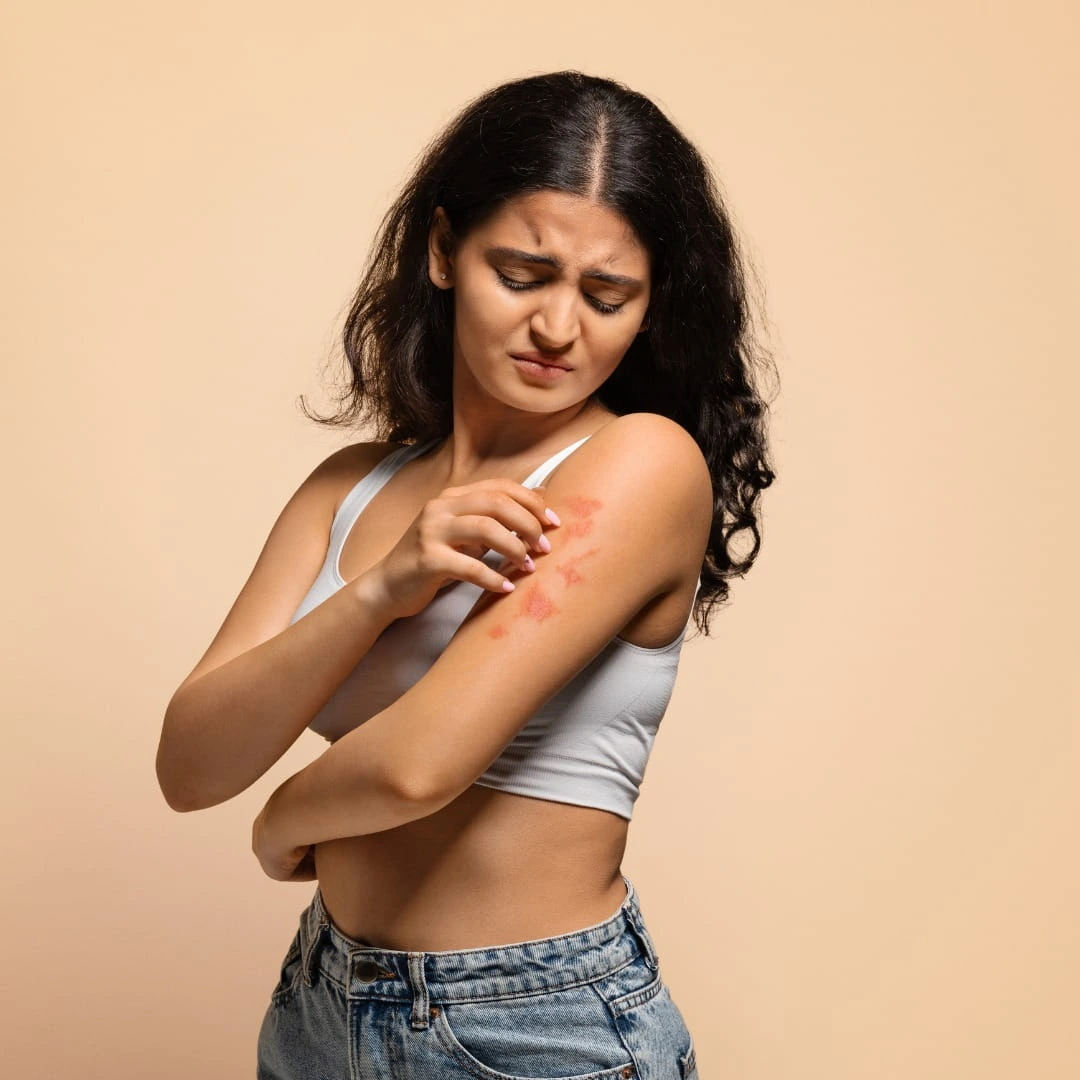
ECZEMA CAN BE WELL-CONTROLLED.
Most eczema — including severe and longstanding cases — can achieve substantial control with appropriate evidence-based management. The right approach requires accurate assessment, a tailored plan, and sustained specialist partnership.
THE QUICK ANSWER
Eczema treatment at Vedara Care, in one paragraph.
Eczema treatment at Vedara Care Polyclinic in Jumeirah Village Circle (JVC), Dubai — walking distance from Circle Mall — is specialist evidence-based dermatology care delivered by DHA-licensed consultant dermatologists with substantial pediatric and adult eczema expertise. We treat all eczema presentations: pediatric atopic dermatitis (infant through adolescent), adult atopic dermatitis (childhood-persistent and adult-onset), contact dermatitis, hand eczema, dyshidrotic eczema, nummular eczema, seborrheic dermatitis, and more. Our approach combines trigger identification, evidence-based topical treatments, systemic medications, biologic treatments (dupilumab), JAK inhibitors, wet wrap therapy, and comprehensive family education. Eczema is chronic — well-controlled eczema is achievable for most patients. Sustained partnership approach with regular follow-up. Insurance-covered treatment with direct billing. Patients travel to our JVC clinic from across Dubai.
Medically reviewed by Dr. Sarah Al-Rashid, MD, DHA-Licensed 2509266 · Last updated June 2025
What eczema actually is — and why generic treatment often fails.
Effective eczema treatment requires understanding what is happening in the skin and identifying what triggers your specific eczema.
Eczema is a group of chronic inflammatory skin conditions characterised by dry, itchy, inflamed skin. The most common type is atopic dermatitis, but multiple other eczema types exist with different characteristics and triggers.
The skin barrier dysfunction
Central to atopic dermatitis is impaired skin barrier function. Normal skin barrier prevents water loss and keeps irritants out. In eczema, genetic factors (particularly filaggrin gene mutations), inflammatory factors, and environmental factors combine to produce leaky, reactive skin. This barrier dysfunction explains why moisturising is foundational to treatment.
The inflammatory component
Alongside barrier dysfunction, eczema involves specific inflammatory pathways — particularly Th2-mediated inflammation with elevated interleukins (IL-4, IL-13, IL-31). This inflammation causes redness, swelling, and itch. Modern treatments (including topical calcineurin inhibitors, JAK inhibitors, and biologic therapies) target these pathways.
The itch-scratch cycle
Itch is often the most distressing eczema symptom. Scratching provides brief relief but worsens skin damage and disrupts sleep. Breaking this cycle through adequate anti-inflammatory treatment, moisturisation, cool compresses, and behavioural strategies is essential.
Common triggers requiring identification
Multiple factors trigger eczema: allergens (dust mites, pollens, pet dander, foods in some patients); irritants (soaps, detergents, fragrances); environmental factors (heat, dry air, humidity); stress; hormonal factors; infections; and sweat — particularly relevant in Dubai's climate.
Dubai-specific eczema factors
Dubai's environment presents unique considerations: heat and humidity worsen many patterns; air conditioning dryness compromises skin barrier; swimming pool chlorine is a common trigger; sand and dust exposure irritates some patients; frequent hand washing in certain occupations contributes to hand eczema.
Why eczema is chronic rather than curable
Most eczema is a chronic condition with a relapsing course. Well-controlled eczema is achievable for most patients — permanent cure is less common. Some children outgrow atopic dermatitis; others continue into adulthood. Realistic framing supports commitment to sustained management.
"Eczema is a condition where the right treatment approach transforms quality of life dramatically. Patients who commit to structured management with specialist guidance typically achieve control that seemed impossible during periods of severe flare."
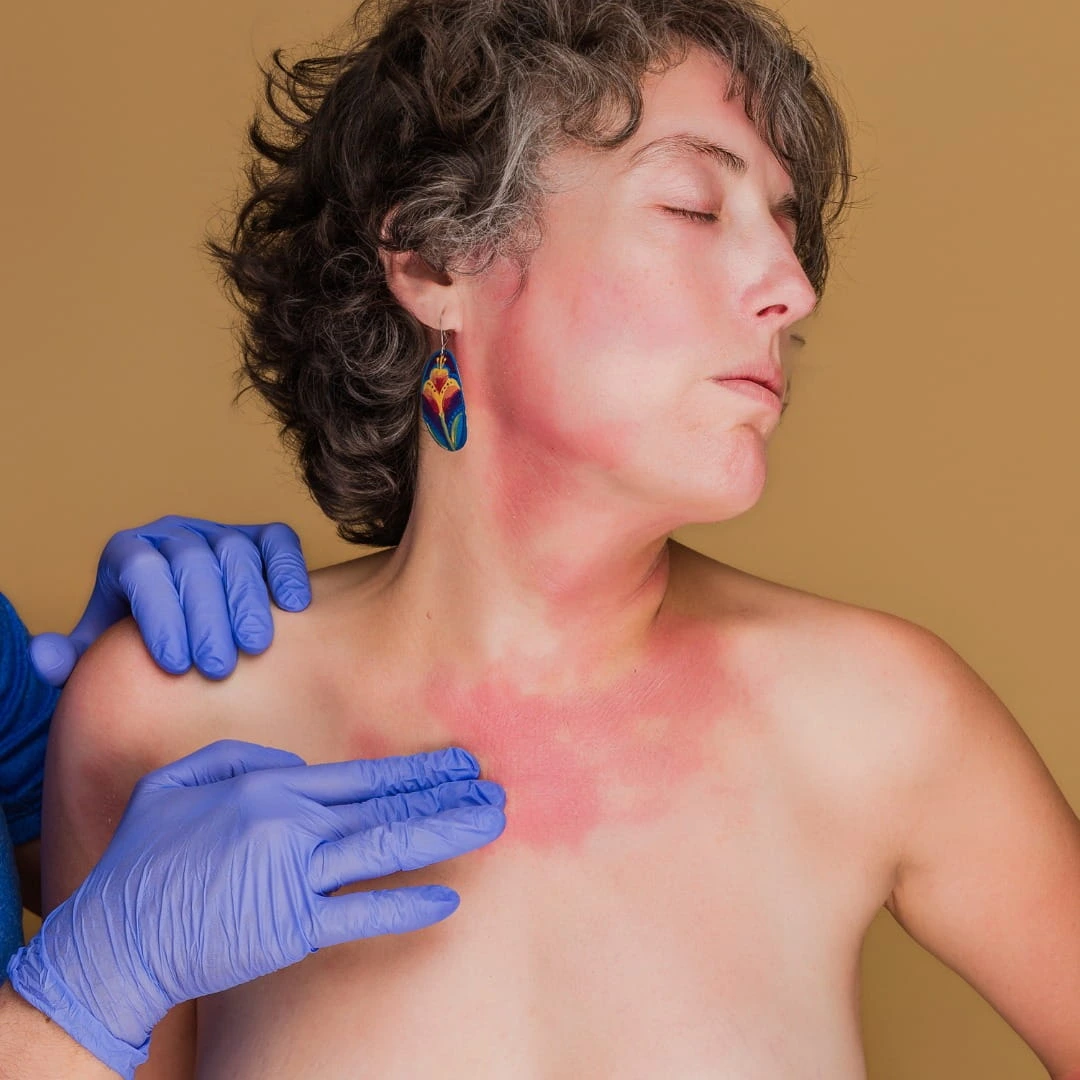
The eczema presentations we treat at our JVC clinic.
Different eczema types have different patterns, triggers, and treatment approaches. Accurate diagnosis guides effective treatment.
Pediatric Atopic Dermatitis
TYPICAL PRESENTATION:
- Itchy dry inflamed skin in characteristic areas, family history often present
Adult Atopic Dermatitis
TYPICAL PRESENTATION:
- Chronic relapsing itchy inflamed skin,Often affecting quality of life substantially
Contact Dermatitis
TYPICAL PRESENTATION:
- Eczema pattern related to specific substance exposure, Sometimes clearly localised
Hand Eczema
TYPICAL PRESENTATION:
- Chronic hand skin changes — redness, dryness, cracks, fissures, sometimes vesicles
Dyshidrotic Eczema
TYPICAL PRESENTATION:
- Vesicular blisters on palms, soles, lateral finger surfaces
Nummular (Discoid) Eczema
TYPICAL PRESENTATION:
- Round coin-shaped patches of scaly inflamed skin, often on limbs
Seborrheic Dermatitis
TYPICAL PRESENTATION:
- Greasy scaling in sebum-rich areas, often scalp and central face
Severe or Treatment-Resistant Eczema
TYPICAL PRESENTATION:
- Severe eczema affecting quality of life, inadequately controlled with conventional topicals
The evidence-based treatments we use for eczema.
Modern eczema treatment includes multiple modalities. Selection depends on eczema type, severity, patient age, and individual response.
Foundation — Moisturisation and skincare
Regular moisturiser application is foundational, directly addressing skin barrier dysfunction. Emollients applied multiple times daily. Barrier repair moisturisers designed to restore lipid barrier. Appropriate bathing (lukewarm water, gentle cleansers, moisturiser within 3 minutes). Consistency during and between flares makes all other treatments more effective.
Topical corticosteroids — used appropriately
Foundational anti-inflammatory treatment. Potency matched to severity, body area, and patient age. Application during flares with gradual tapering. Limited courses for face and sensitive areas; longer courses acceptable for body. Appropriately used topical steroids are safe and effective — we educate patients thoroughly to address steroid phobia.
Topical calcineurin inhibitors and non-steroid options
Tacrolimus and pimecrolimus particularly useful for facial and sensitive area eczema, long-term maintenance, and steroid-concerned patients. Topical PDE4 inhibitors (crisaborole) and topical JAK inhibitors (ruxolitinib) where available. Effective for maintenance therapy and steroid-sparing.
Systemic treatments for moderate-severe eczema
Oral immunosuppressants (methotrexate, cyclosporine, azathioprine, mycophenolate mofetil) — established options with sustained experience. Oral JAK inhibitors (upadacitinib, abrocitinib, baricitinib) — newer targeted options with rapid onset. Each has specific indications, monitoring requirements, and side effect profiles.
Biologic treatments — the recent transformation
Biologics have transformed treatment for moderate-severe eczema. Dupilumab (Dupixent) targets IL-4 and IL-13; approved for pediatric and adult atopic dermatitis; substantial improvement for most patients; subcutaneous injection every 2 weeks; well-tolerated. Other biologics: tralokinumab, lebrikizumab. For appropriate patients, biologics produce transformative improvement.
Wet wrap therapy for severe pediatric cases
Established treatment for severe pediatric atopic dermatitis. Wet inner layer followed by dry outer layer applied over topical treatments and moisturisers, worn for hours. Enhances treatment penetration, provides physical barrier against scratching, cools inflamed skin. Family education and training essential.
Trigger identification and management
Often as important as direct medical treatment. Comprehensive allergen assessment: patch testing for contact allergens, specific IgE or skin prick testing, food allergy assessment in pediatric patients where clinically relevant. Environmental factor assessment. Individualised trigger management plans.
Family education for pediatric patients
Pediatric eczema involves the whole family. Comprehensive education: understanding the condition, proper application techniques, appropriate steroid use, bathing routines, trigger identification, when to escalate, school coordination, psychological support. Parents who understand eczema become effective partners in their child's care.
Your Treatment Plan
ADDITIONAL BASED ON SEVERITY
- Topical calcineurin inhibitors
- Systemic treatments (moderate-severe)
- Biologic treatments (dupilumab)
- Wet wrap therapy (severe pediatric)
- Phototherapy where indicated
REALISTIC TIMELINES
How eczema treatment progresses over time.
Eczema is a chronic condition managed over time rather than an acute condition cured in a single treatment.
Initial Assessment & Treatment Start
WEEKS 0-4
Comprehensive consultation identifying eczema type, severity, and contributing factors. Treatment plan initiated including moisturisation optimisation, topical treatments, and trigger identification. Initial improvement often visible within 2-3 weeks. Follow-up scheduled.
Achieving Control
WEEKS 4-12
Steady improvement for most patients. Reduction in flare frequency and severity. Improvement in itch, sleep, and quality of life. Treatment plan adjusted — either intensified or transitioning to maintenance. Trigger management strategies refined.
Maintenance & Long-Term Management
MONTHS 3-12
Well-controlled eczema achieved for most patients. Transition to maintenance treatment. Occasional flare-ups managed promptly. Ongoing follow-up at appropriate intervals. Substantial quality-of-life improvement typically realised.
Sustained Long-Term Care
YEAR 1 ONWARDS
Continued partnership with adjustments as needed. Some patients require ongoing maintenance; others reduce treatment as condition permits. Newer treatments considered if control inadequate. Regular monitoring for long-term dermatology patients.
These timelines describe typical patterns for atopic dermatitis and similar chronic eczema types. Contact dermatitis with an identifiable trigger may resolve completely once the trigger is avoided. Individual variation occurs — the most important predictor of success is sustained partnership with specialist care.
Real eczema outcomes with specialist care.
"My daughter's severe atopic dermatitis affected our whole family for years. She could not sleep through the night from itching. Vedara's approach was completely different: comprehensive assessment including trigger evaluation identifying dust mite sensitivity we had not recognised, structured treatment plan with proper wet wrap therapy training, barrier repair products, and consideration of newer treatments. Within 12 weeks, dramatic improvement — sleeping through the night, confidence in school. The specialist expertise combined with proper family education transformed our situation completely."
PARENT OF FEMALE PATIENT, 8
Severe Pediatric Atopic Dermatitis · 6-Month Programme · JVC · Feb 2026
"Adult-onset atopic dermatitis in my 50s that was completely disabling — affecting work, relationships, sleep. Previous dermatologists prescribed steroids that helped briefly. Vedara identified me as a candidate for dupilumab treatment. After thorough assessment, started biologic treatment. Within 5 months, transformative improvement I did not believe was possible. Now nearly clear. The access to newer treatment options combined with expert guidance completely changed my quality of life."
MALE PATIENT, 34
Severe Adult-Onset Atopic Dermatitis · Biologic Treatment · Dubai Marina · Jan 2026
"Chronic hand eczema for years — I work in healthcare with frequent hand washing. Multiple previous treatments provided brief relief. Vedara's approach was comprehensive: identified specific factors including frequent water exposure and glove-related irritants, practical modifications to daily practice, barrier repair products, and prescription treatments. Substantial improvement over 4 months allowing me to continue my profession comfortably. The practical expertise addressing occupational factors made the difference."
FEMALE PATIENT, 42
Occupational Hand Eczema · Ongoing Programme · Al Barsha South · Mar 2026
4.9
stars on Google
500+
eczema patients treated
Pediatric and adult
expertise
Consultant dermatologists for eczema treatment at our JVC clinic.
DHA-licensed specialists with substantial expertise across pediatric and adult eczema, all Fitzpatrick skin types, and modern treatment approaches including biologics. Female and male dermatologists available. Multiple languages including Arabic, English, Hindi, Urdu.

Dr. Sarah Al-Rashid, MD
Subspecialty training in pediatric dermatology. 12 years eczema experience across pediatric and adult populations. Dupilumab prescriber.

Dr. Priya Nair, MD
Fellowship in clinical dermatology with focus on adult eczema and darker skin types. Extensive experience across all Fitzpatrick types.

Dr. Omar Khalil, MD
Specialist expertise in occupational and contact dermatology. Established patch testing programme for contact dermatitis diagnosis.

Dr. Fatima Hassan, MD
Dedicated pediatric dermatologist with subspecialty focus on childhood eczema. Runs family education programme and wet wrap therapy training.
What eczema treatment at our JVC clinic costs.
Initial eczema consultation (45-60 min)
AED 650
Pediatric eczema consultation with family education
AED 750
Follow-up consultation
AED 350
Treatment monitoring visit
AED 300
Comprehensive allergen assessment
From AED 450
Wet wrap therapy training session
From AED 200
Topical treatment prescription & education
AED 250
Systemic treatment monitoring
From AED 500/month
Biologic treatment (dupilumab)
Consultation required
JAK inhibitor treatment monitoring
From AED 350/month
Phototherapy course
From AED 1,200
Comprehensive 6-month management programme
From AED 3,500
Family package (multiple family members)
From AED 1,800
What patients and parents ask about eczema treatment.
For broader dermatology questions, see our dermatology clinic page.
Ask Our Team on WhatsAppVISIT US
Where eczema treatment happens at Vedara Care JVC.
NEARBY LANDMARKS
- ✓Walking distance from Circle Mall
- ✓3 minutes from FIVE Jumeirah Village Hotel
- ✓5 minutes from JSS Private School
- ✓Free patient parking
- ✓Easy access from Sheikh Mohammed Bin Zayed Road and Al Khail Road
DISTANCE FROM DUBAI COMMUNITIES
READY TO ADDRESS YOUR ECZEMA?
Well-controlled eczema is achievable. Let us help you get there.
Whether your child has severe atopic dermatitis affecting your family, you have adult eczema affecting your quality of life, you have hand eczema affecting your work, or you are considering newer treatment options — comprehensive specialist consultation is the right starting point. Same-week appointments typically available.
Initial consultation from AED 650 · Walking distance from Circle Mall, JVC · DHA-licensed consultant dermatologists · 500+ eczema patients treated · Pediatric and adult expertise · Access to biologic and newer treatments · Multiple languages · Insurance direct-billing
EXPLORE FURTHER
Related dermatology services.
Dermatology Clinic in JVC →
Our complete dermatology department — full medical and aesthetic services.
Learn moreSkin Concern Navigation →
For patients with skin concerns beyond eczema — guidance hub for various skin conditions.
Learn morePigmentation Treatment →
For eczema patients with post-inflammatory hyperpigmentation from previous flares.
Learn moreAyurveda Clinic →
For patients interested in an integrated approach — Ayurvedic perspectives complementing dermatology.
Learn more